SEMF
SEMFAlana Edgeworth
Martin Howe Bursary Report
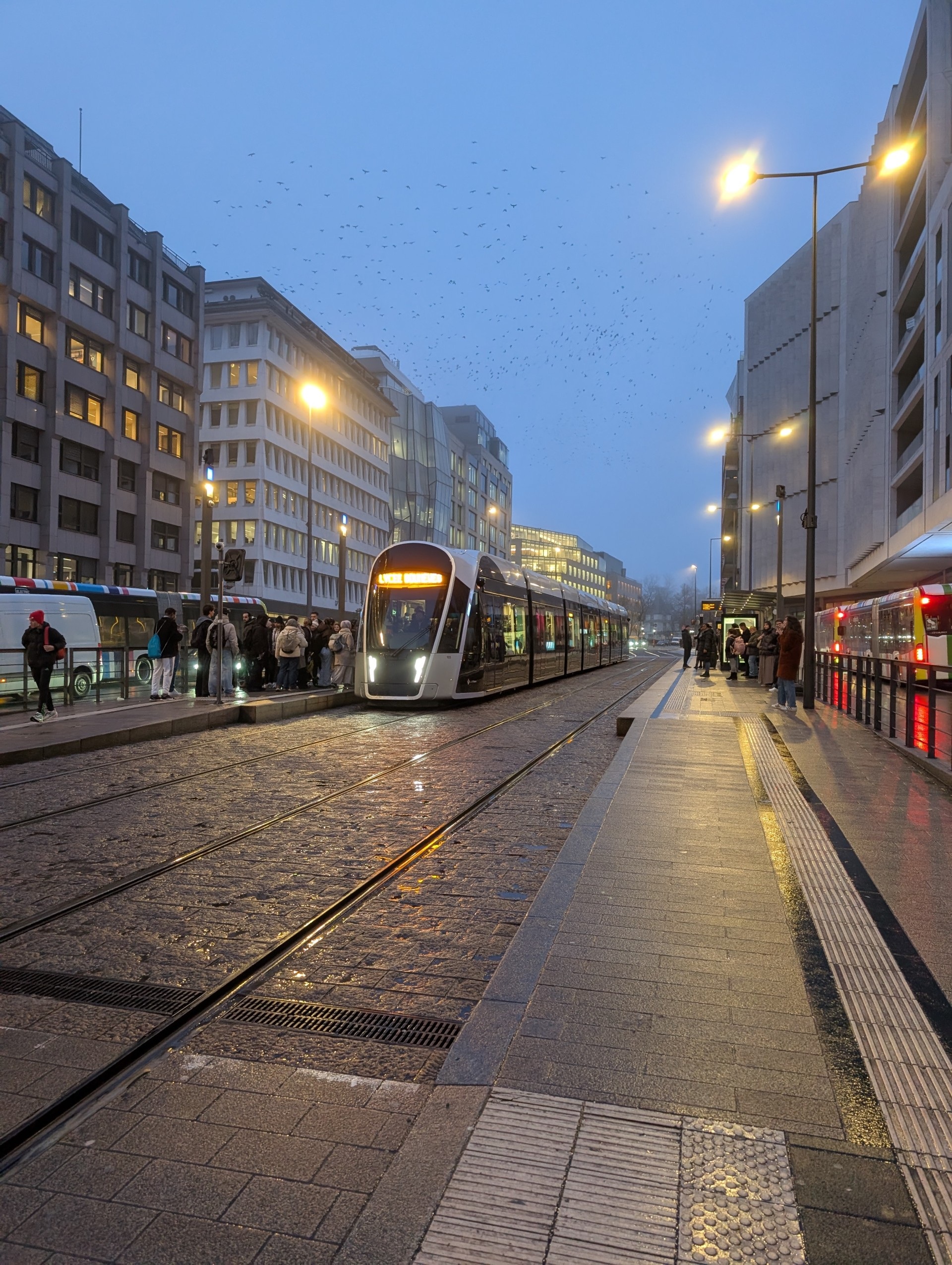
My name’s Alana and I’m an Assistant Collection Manager at the British Museum’s Archaeological Research Collection as well as the membership secretary for SEMFed. Luxembourg is the first SEMFed study trip I have attended and organised, and it certainly won’t be the last! There were a few reasons why Luxembourg city was the chosen destination for the study visit, with one being a great way to try out the free transport, and I have to say it did not disappoint! This made the trip so much easier and cheaper, with trams and buses picking us up from the airport, and taking us directly to the city centre. The city has an array of museums, all varying in sizes and topics, some of which you’ll read about in this report. What stood out to the group is how new most of them are. Before 1990, there were only two in the city. After the country was chosen as the European Capital of Culture in 1995, the number of museums and other cultural institutions began to grow and today there are plenty of museums to choose from. Of course, another reason we picked Luxembourg is the food. The traditional dishes reflect the country’s history under the rule of France and Germany, with both influencing the cuisine. Not to mention the amazing chocolate and pastry shops to choose from!
Day 1:
On the first morning of the study trip, we kicked off with a tour of Letzeburg City Museum. The Director, Guy, and Curators Anne, Sania and Antoine were incredible hosts who took us around the museum and answered any questions we had (we had a lot)! We learned about the structure of the museum and had a great discussion comparing it to our experiences in UK museums. Funded solely by the City, the museum has a team of 46 staff members. We were all surprised to hear, like anyone who works in a UK museum, that there were no volunteers. Letzeburg City Museum is a fairly new museum, opening in 1996 and is celebrating its 30th anniversary – Happy Birthday! Although the museum has an education team, the responsibility of the community engagement programme lies with the curators and the high standard of this is clear when looking around the museum.
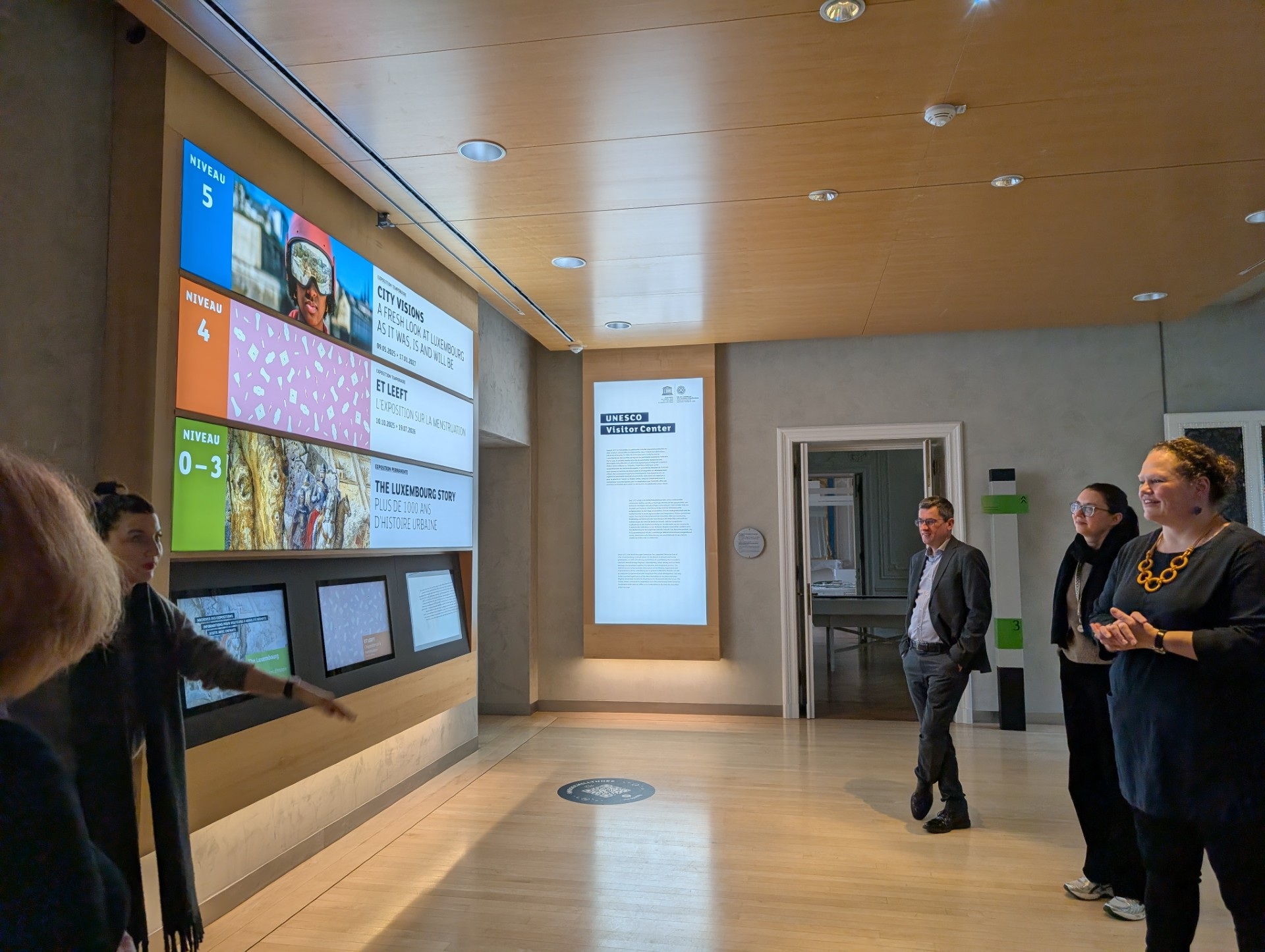
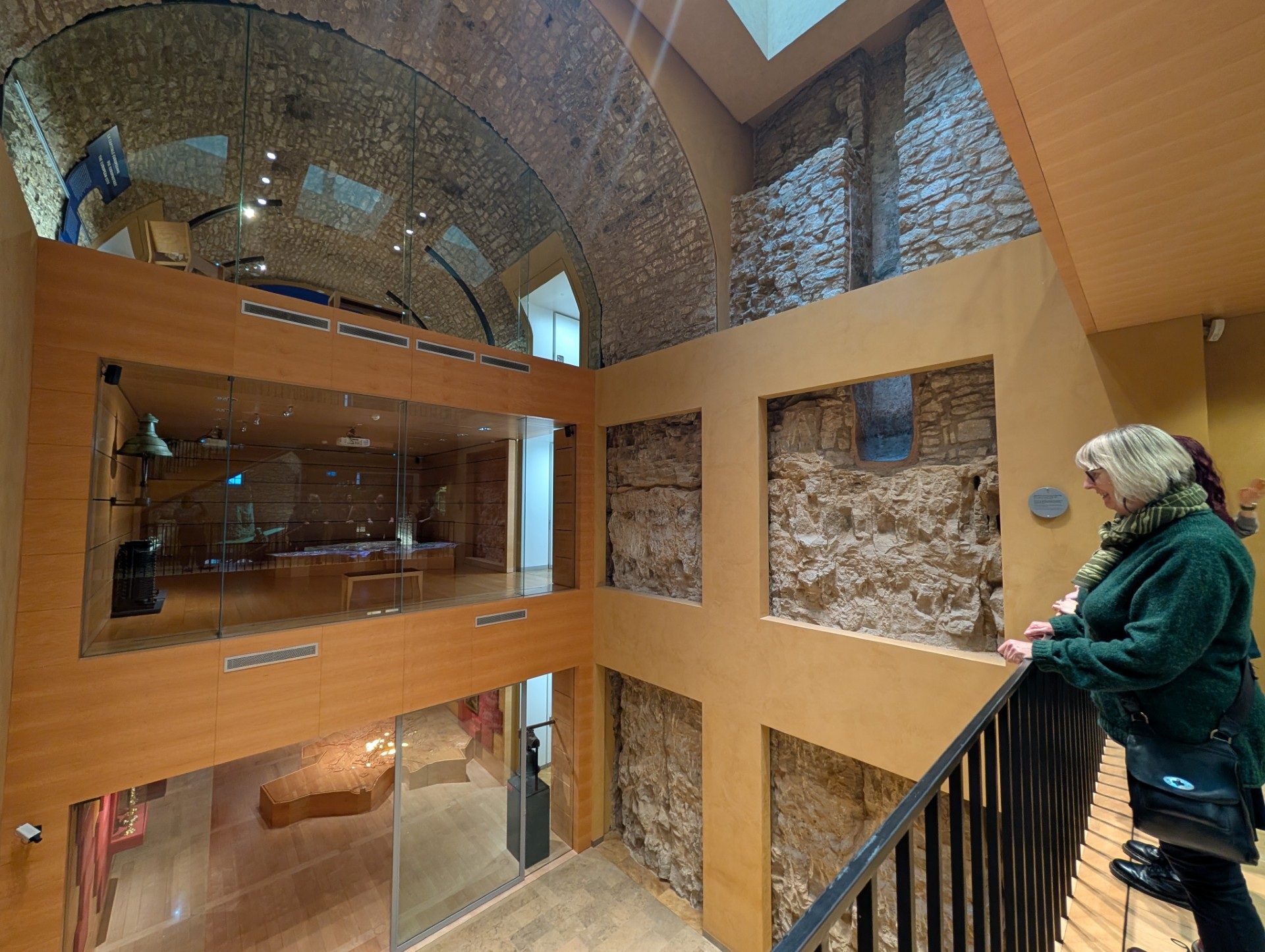
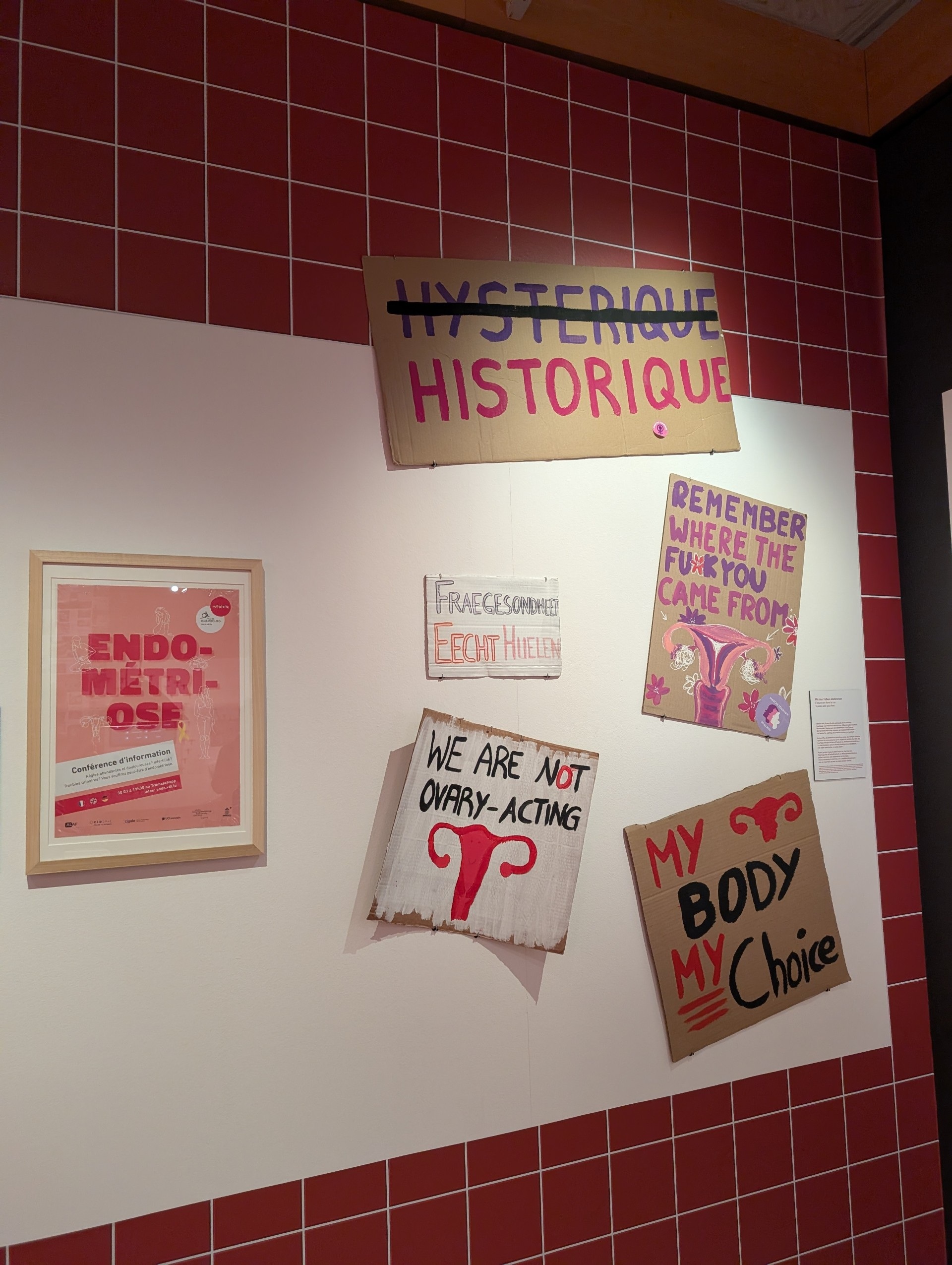
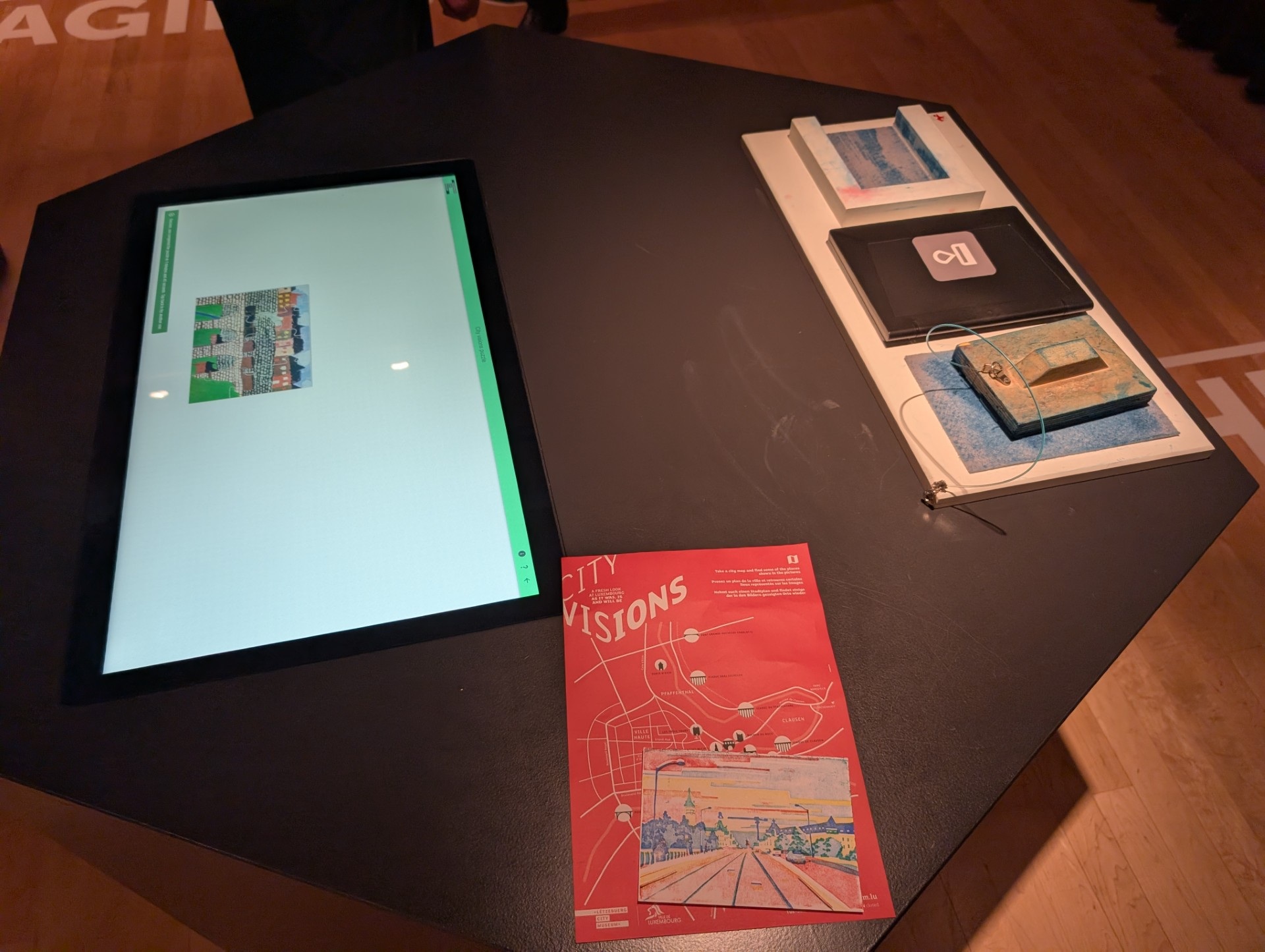
The permanent exhibitions focus on the history of the city, from the 10th century to present day. The galleries are interactive and contain helpful visuals. As nearly 50% of the country’s population are from other countries, the interpretation panels consist of French, German and English to make the museum more accessible. Then onto the temporary exhibitions, the first was Et Leeft, The Exhibition on Menstruation. This is a touring exhibition, and focuses on what half the world’s population goes through — menstruation. I learned so much! It was great to gain a better understanding and also the history of women’s health. It addressed issues like endometriosis and menopause, topics which typically aren’t at the forefront of discussions in everyday society. The second temporary exhibition and the last stop on the tour, was City Visions: A fresh look at Luxembourg — as it was, is and will be. This focused on the city and its people, with a huge number of interactives, including making your own postcards, puzzles and etch-a-sketch. Like most museums, Letzebuerg has a large amount of artwork that depicts the cityscapes in its collection. This exhibition provided a great opportunity to display all of these and make it accessible to all audiences.
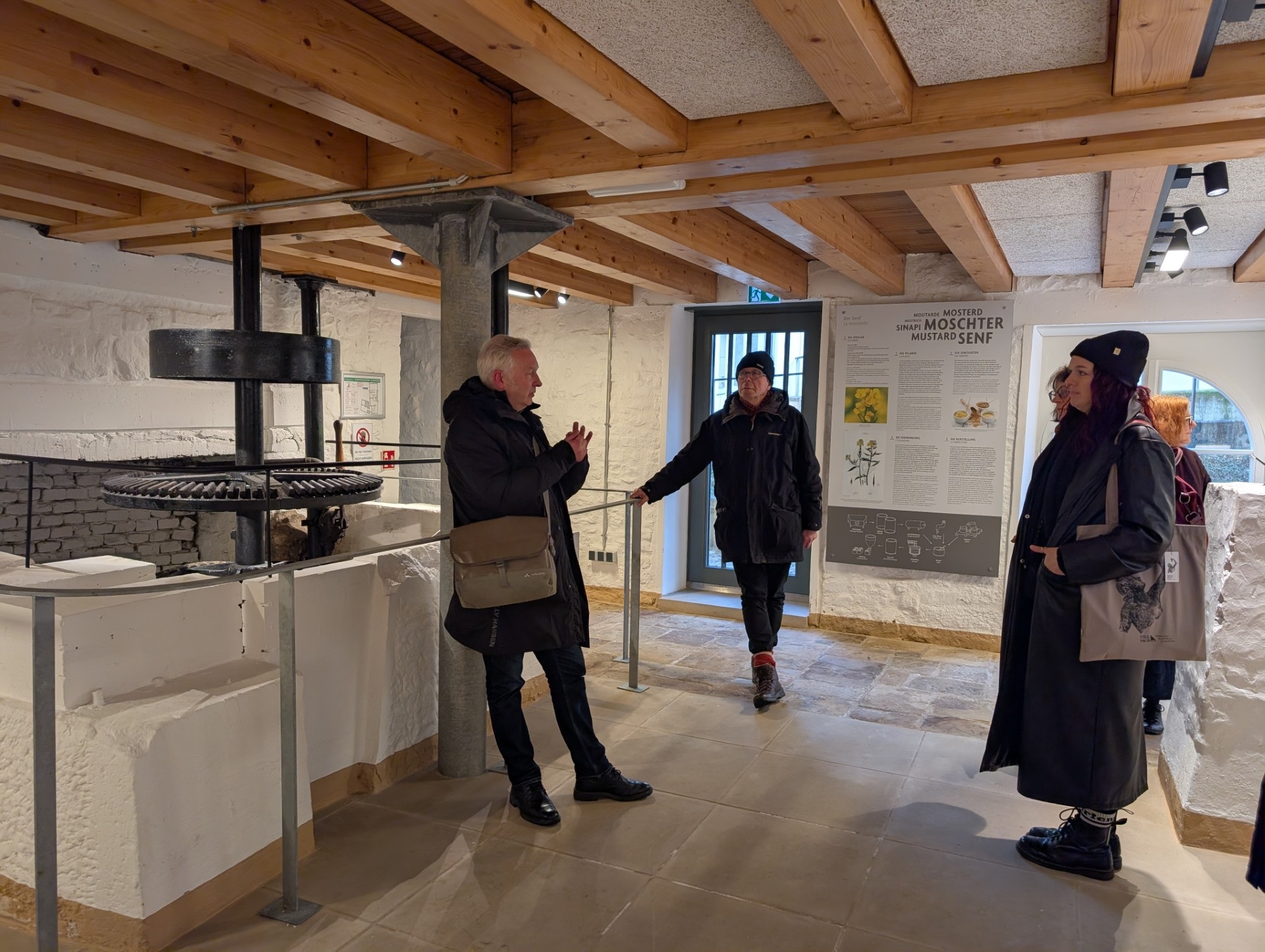
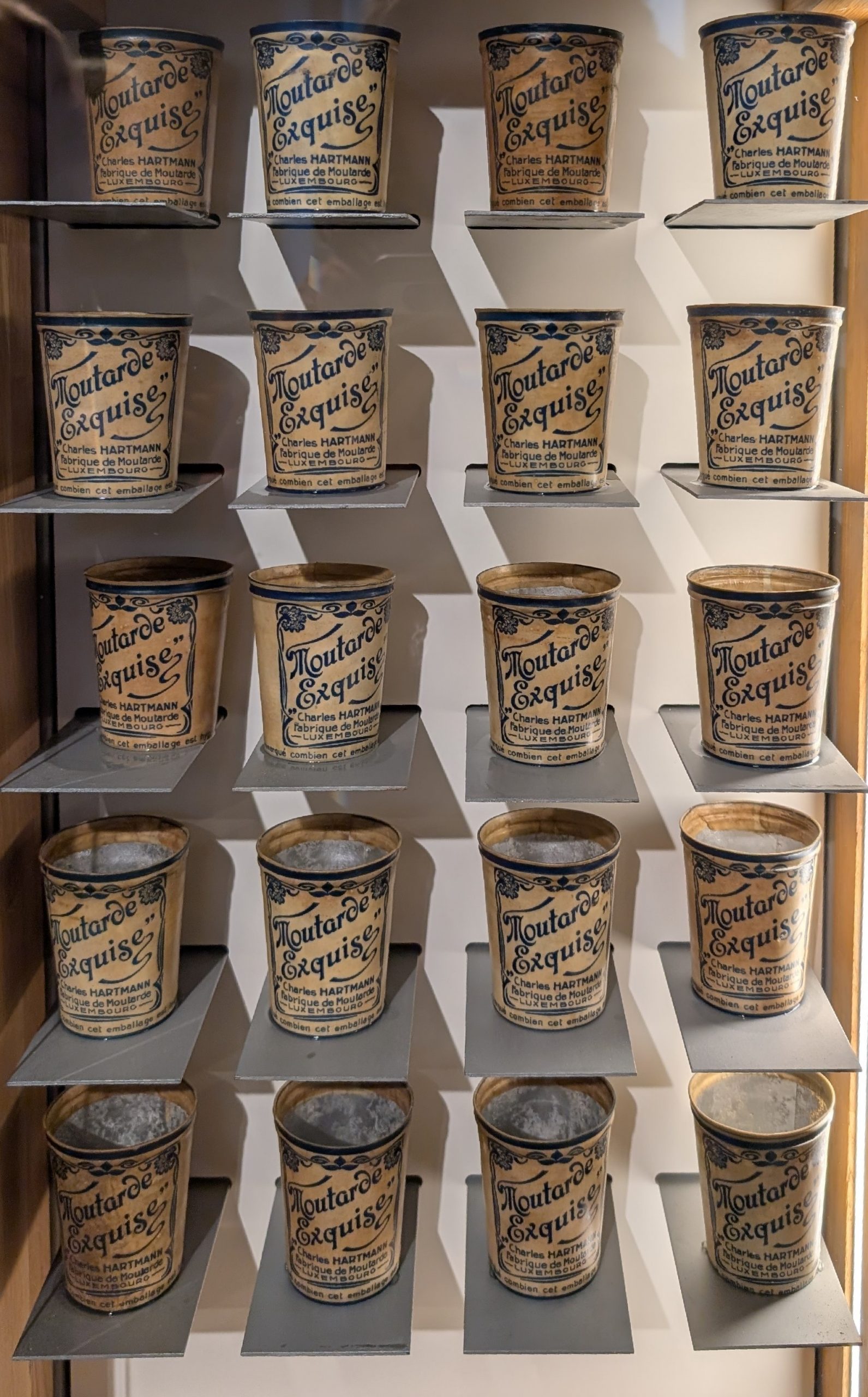
After a quick stop for lunch, (which may or may not have included a slice of Basque cheesecake) we returned to the City Museum to meet our tour guide to take us to Muerbelsmillen Museum. Nick, an architect, gave us a walking tour and shared his knowledge of the city’s architecture and history. It was great way to learn about Luxembourg, including where the jail’s used to be (which naturally are now a museum and an arts centre)! Once we got down to Muerbelsmillen Museum, we looked around the different galleries. Operating as a mill from the 11th century, the building had a lot of character. It also had a stint as a mustard factory up until 1985 — of course the learning programme has to include mustard making workshops.
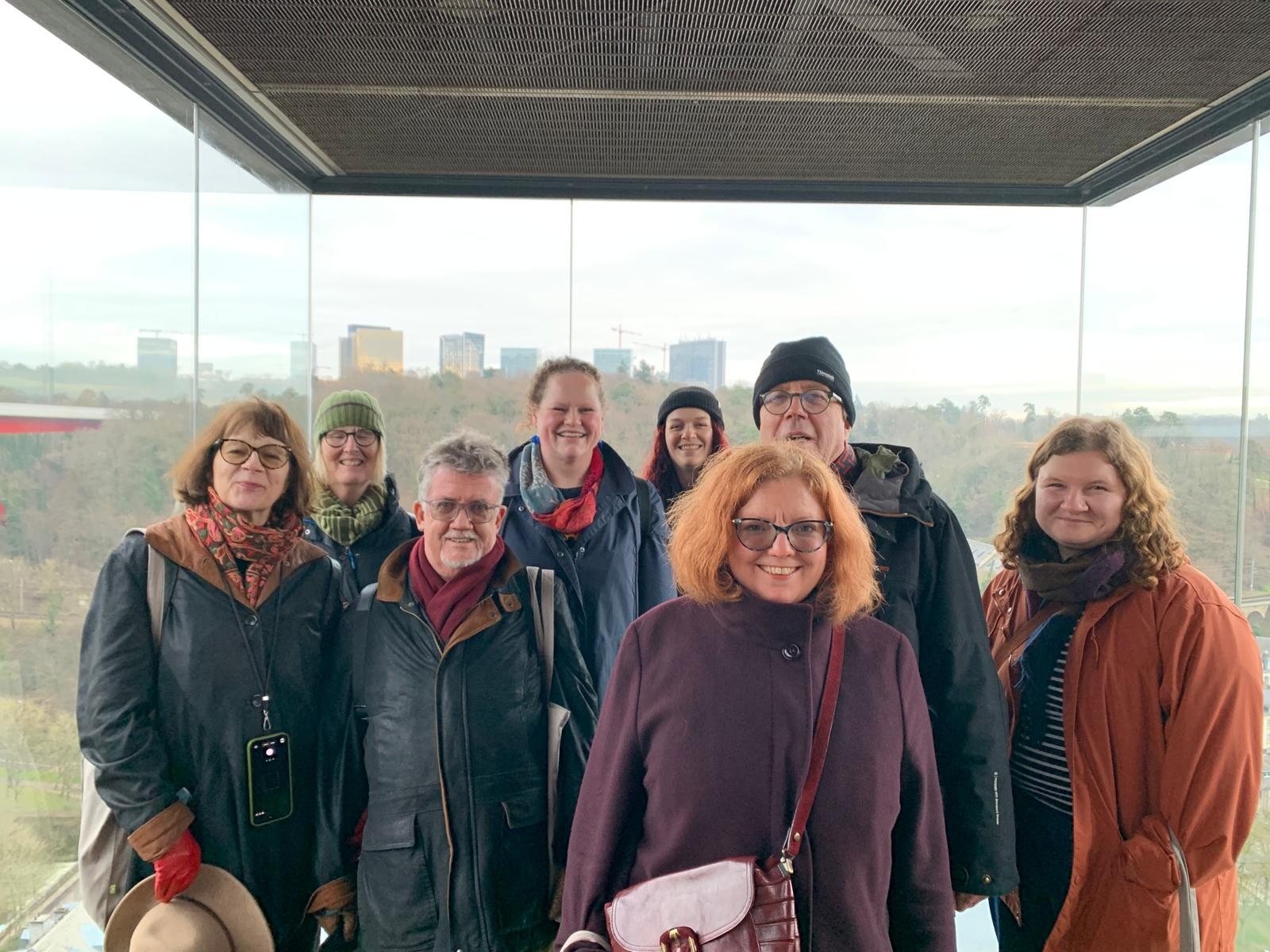
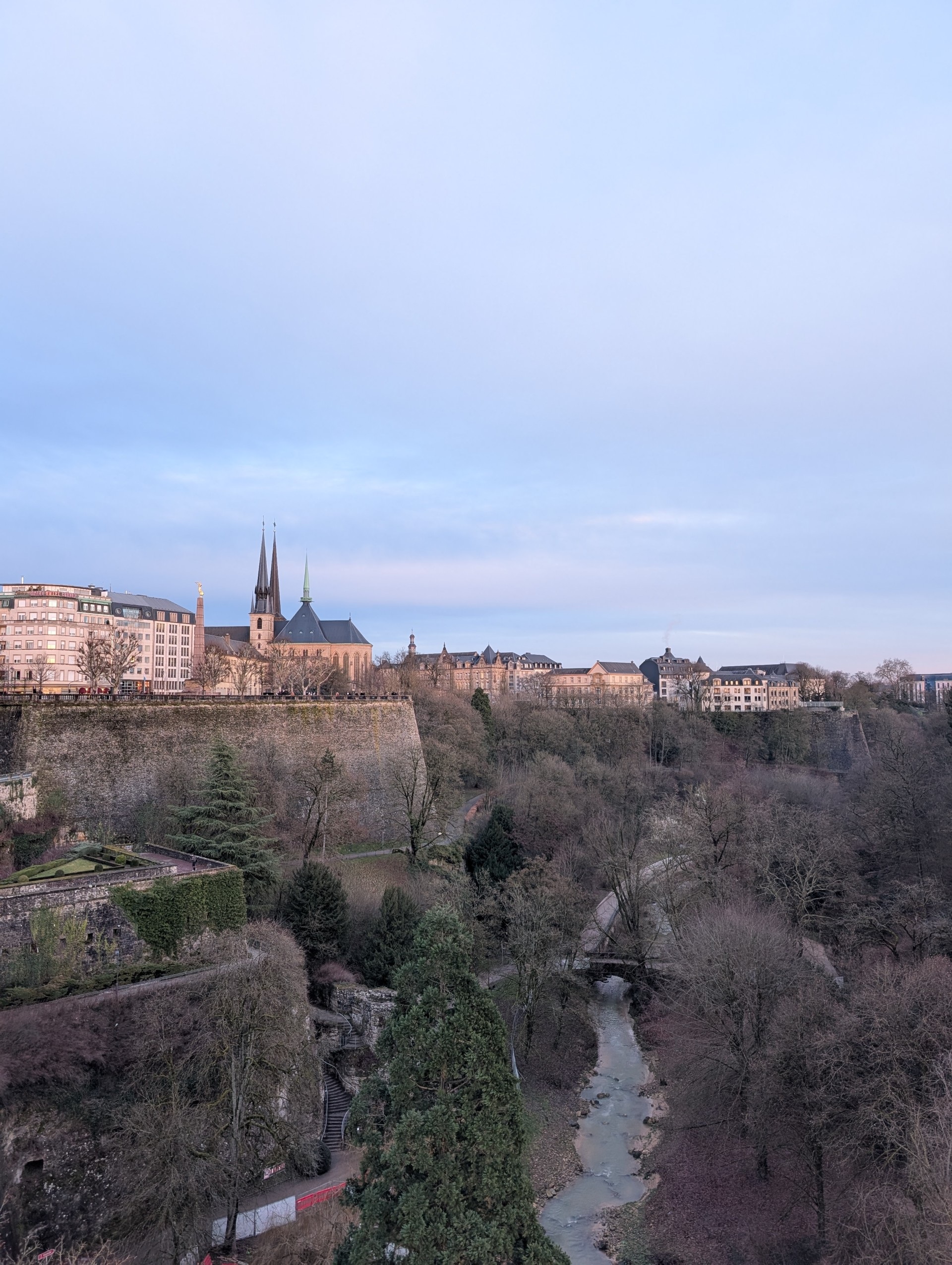
Handily we were in the right location to then try out the Pfaffenthal Panoramic Elevator, this saved the group climbing up the steep slopes and also gave us a fantastic view of the city!
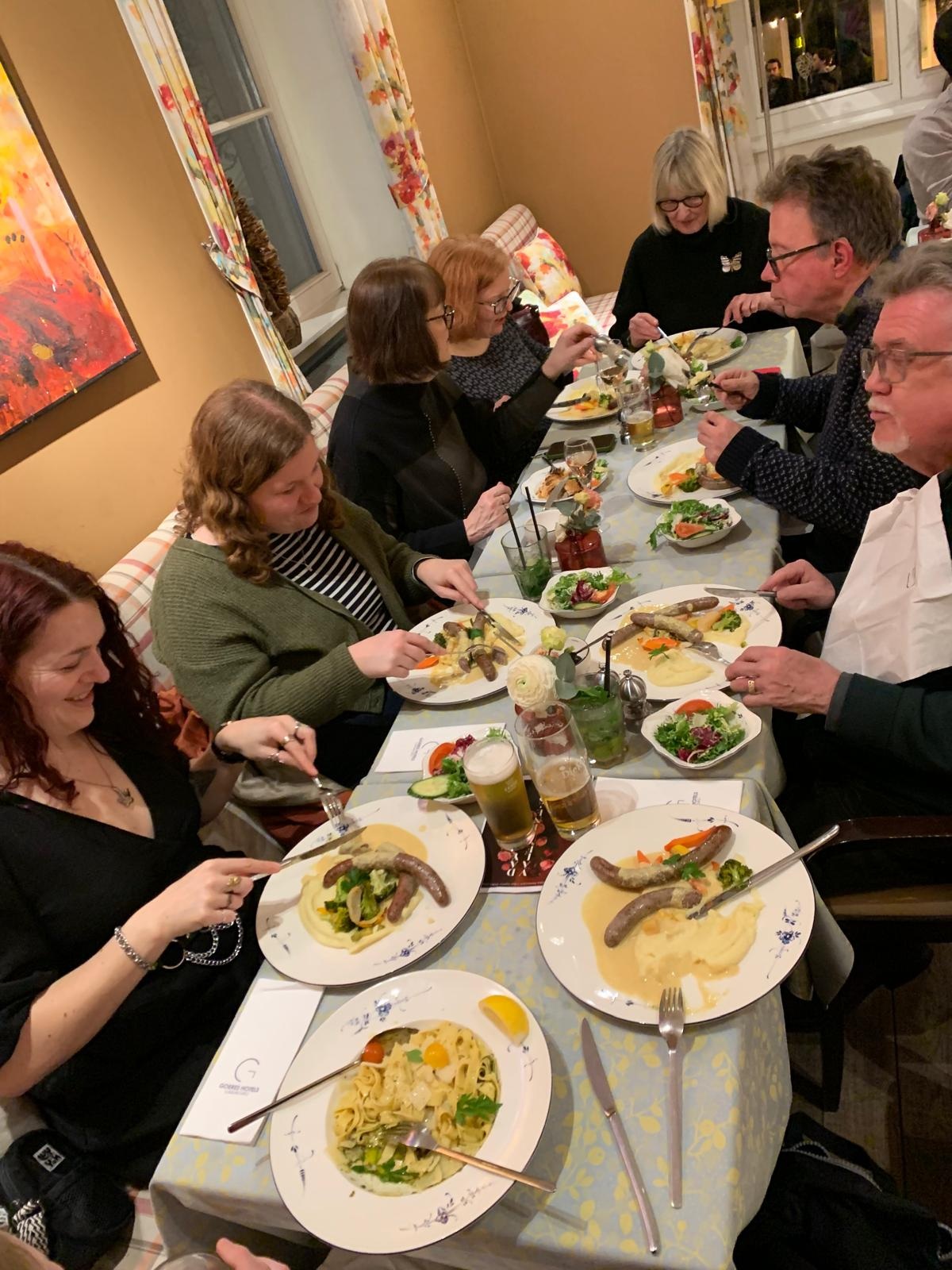
In the evening, we met up for dinner, with the traditional Luxembourgish dish of Wäinzoossiss mat Moschterzooss (sausages with a white wine and mustard sauce). With a visit to what once was a mustard factory, it was only natural to have this for dinner.
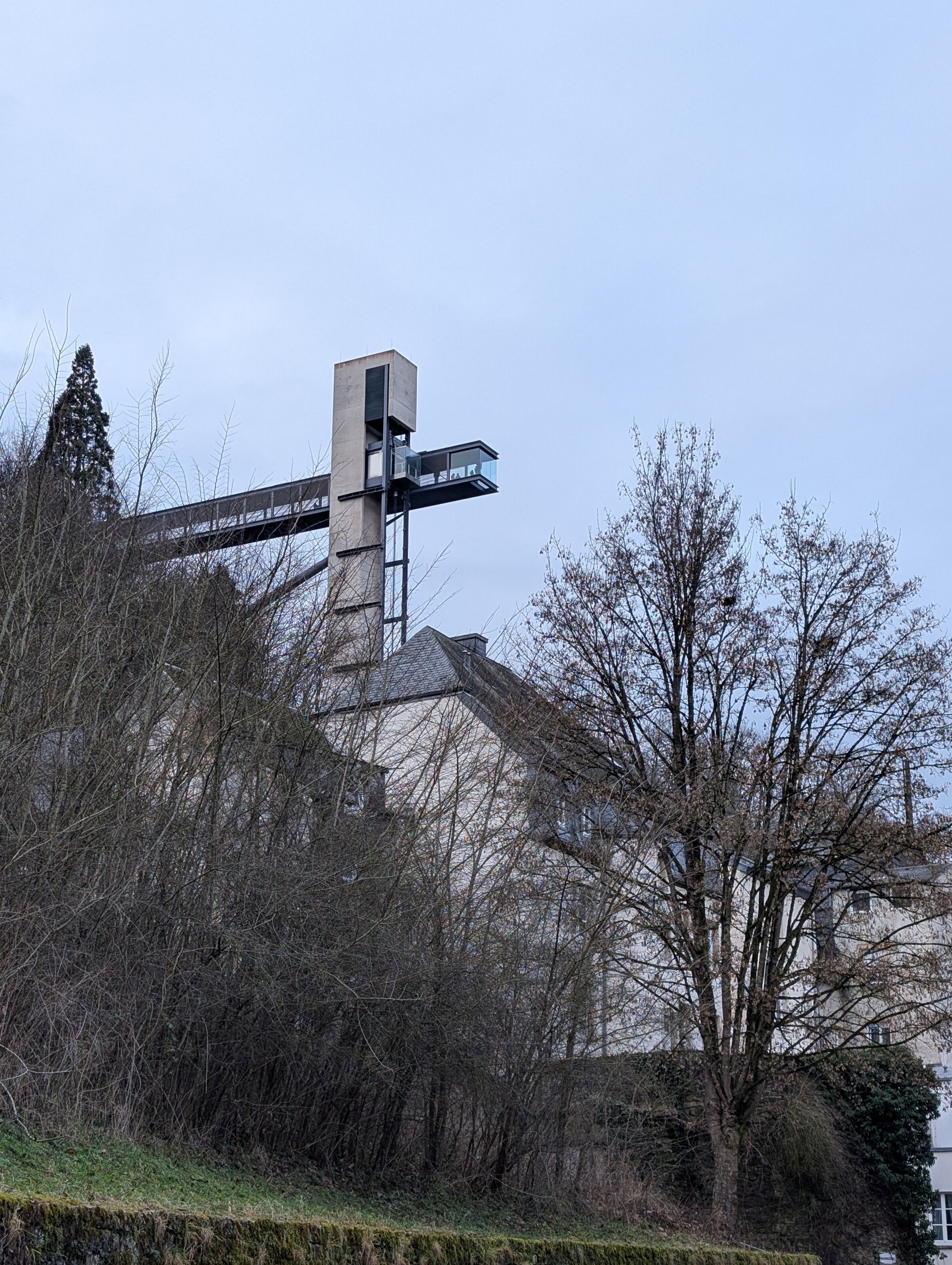
climb up the steep slopes!
Day 2:
We had a great start to day 2, with a self-led visit to the National Art and History Museum. It was a huge building with a vast collection, ranging from pre-historic archaeology, to modern art. There was something for everyone, and I have to admit I got lost a couple of times although there’s definitely worse places to be when that happens!
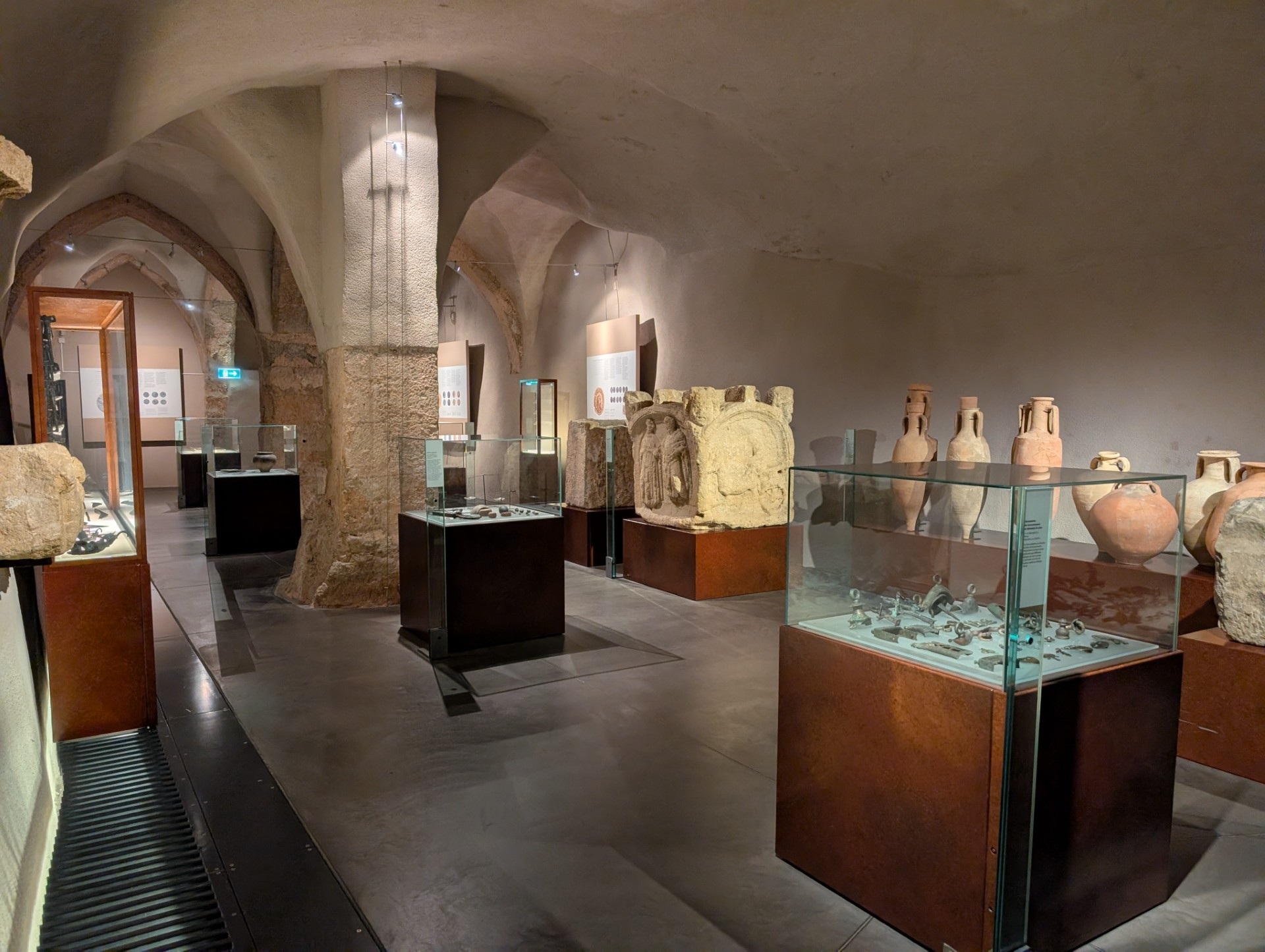
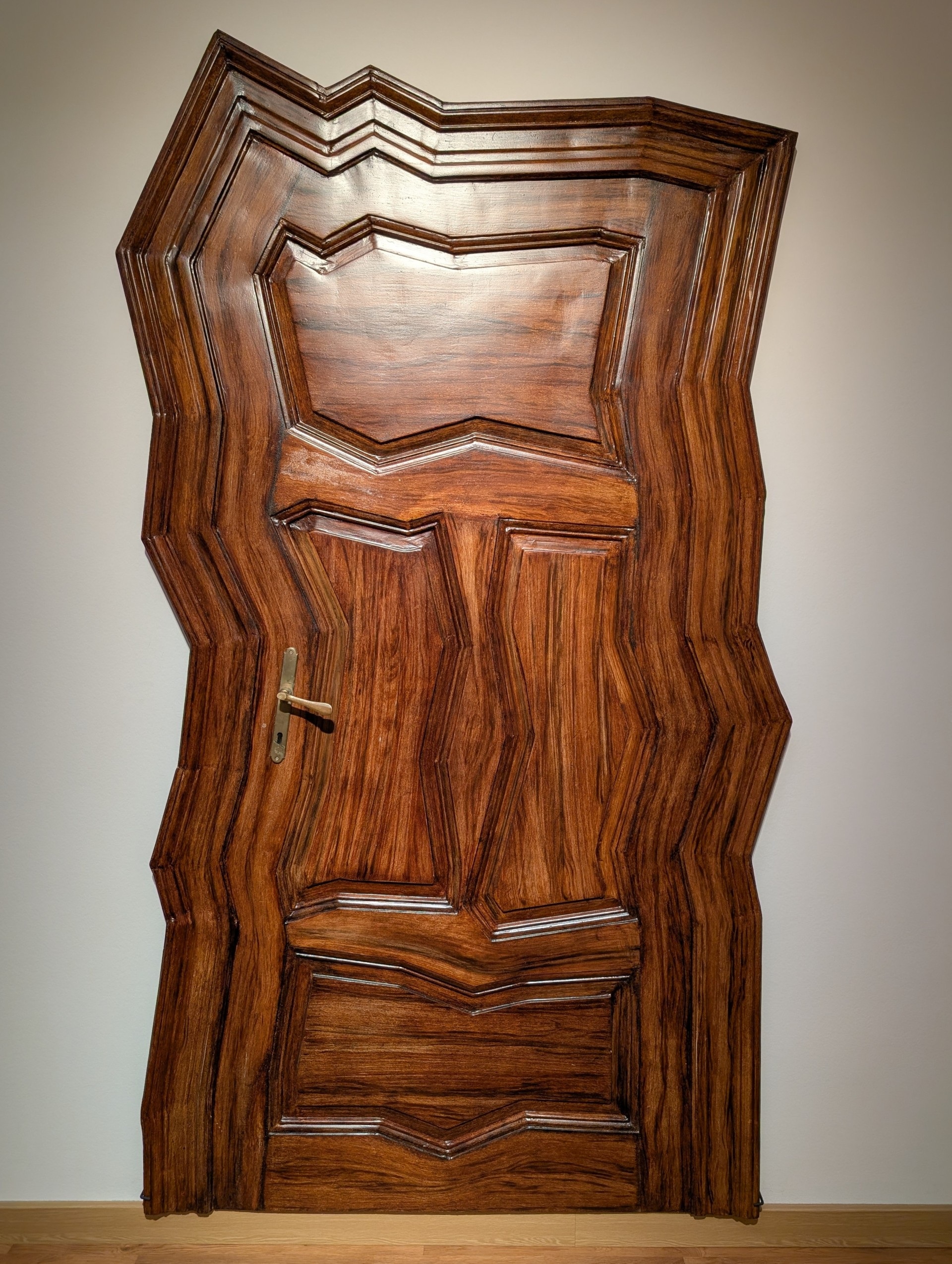
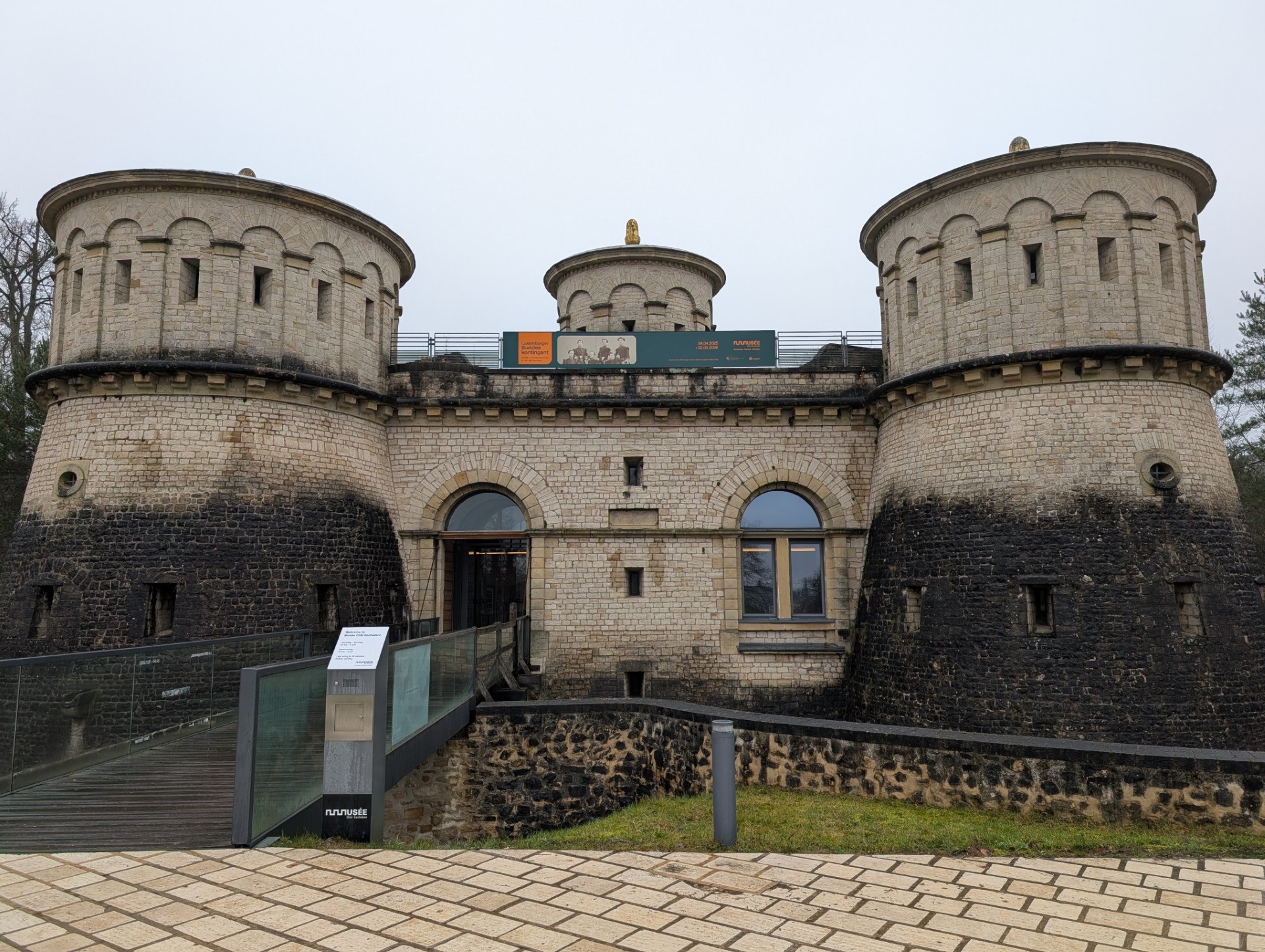
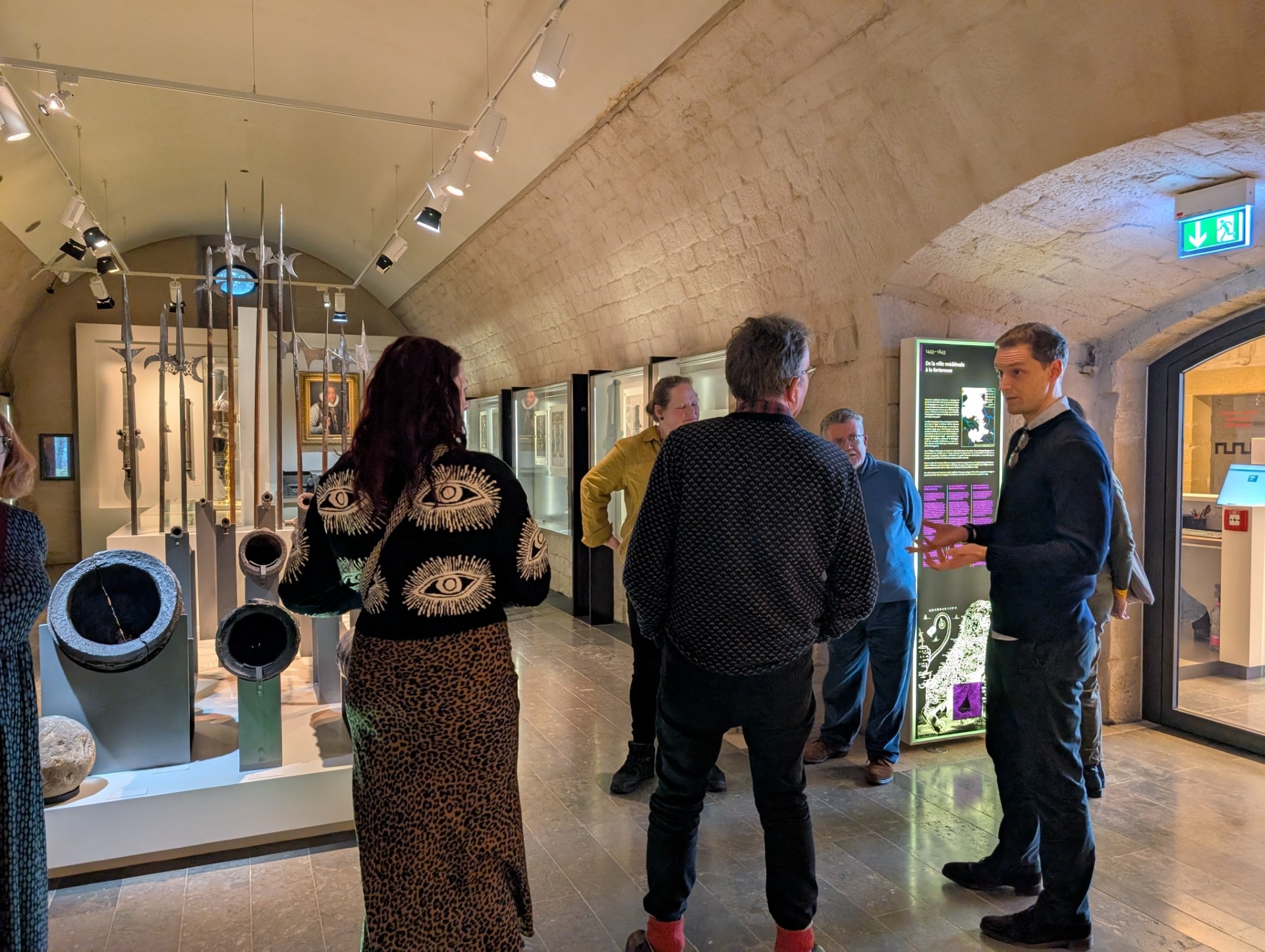
After a quick break for lunch and to pick up some souvenirs, we all made our way to Musee Drei Eechelen (Three Acorns Museum) to meet one of the curators, Ralph. He gave us an amazing tour of the collection, highlighting star objects of the country’s military history. We checked out the facilities that they had to offer, including a huge lecture theatre with a model of the city in the floor. We had a tour of the temporary exhibition, not only where we learnt about the content of the exhibition but about the set up of the space too and how versatile it was in order to adapt and meet the needs of each exhibition. After, we headed up to the roof of the museum, where we got a great view of the city and the architecture of the building. To top off the visit, we browsed the gift shop where I treated myself to the third tote bag of the trip – can never have too many… right?
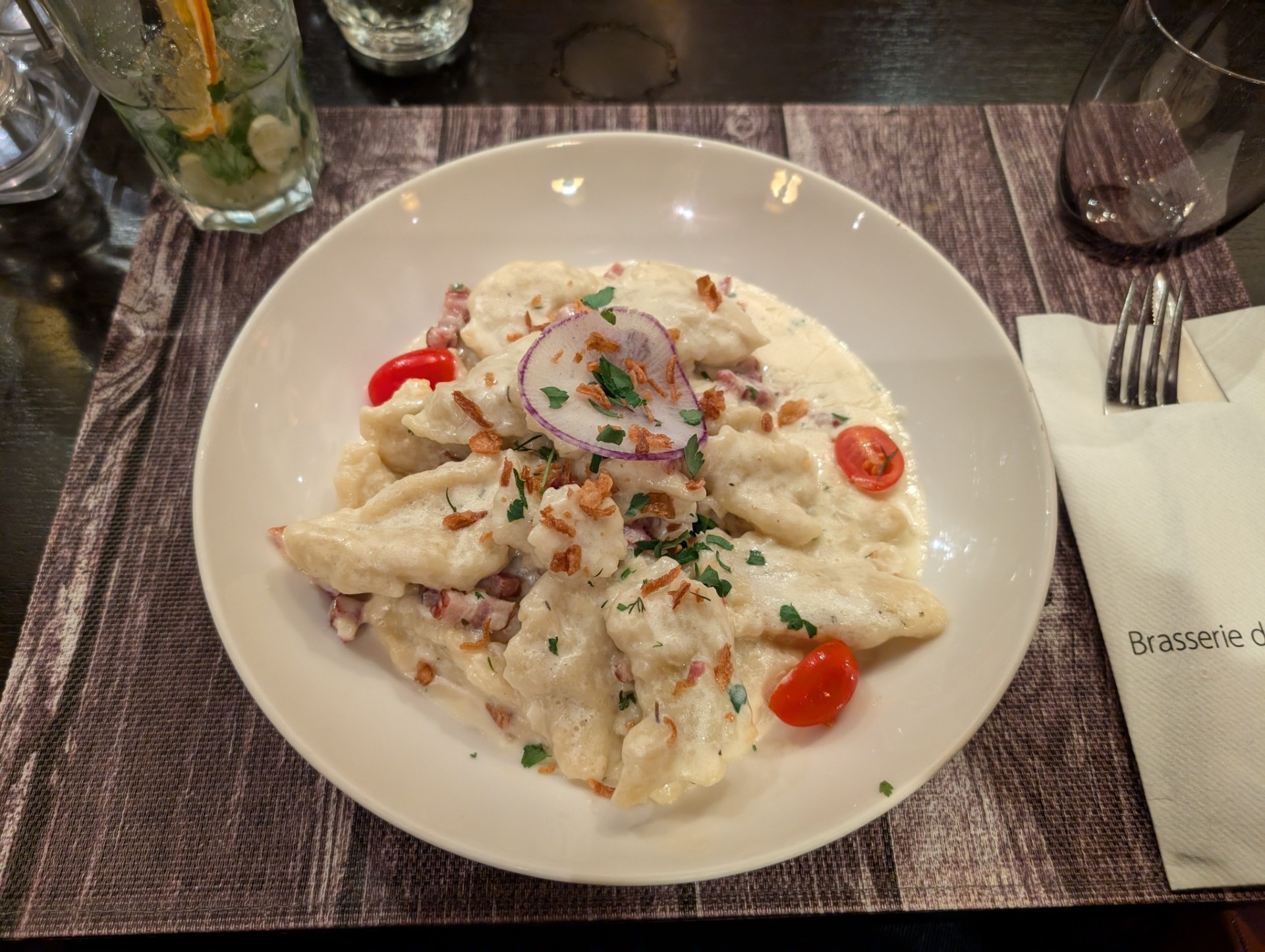
The group’s last meal together on the trip was another chance to try a traditional dish. This time I went for flour dumplings with a white sauce and bacon – it was delicious!
We all had an incredible trip to Luxembourg, and can’t thank all the teams at the museums enough for taking the time to provide tours and answer our many questions. Luxembourg is a lovely city with so much history, it’s definitely worth a visit and with the free transport there are really no excuses!