 SEMF
SEMF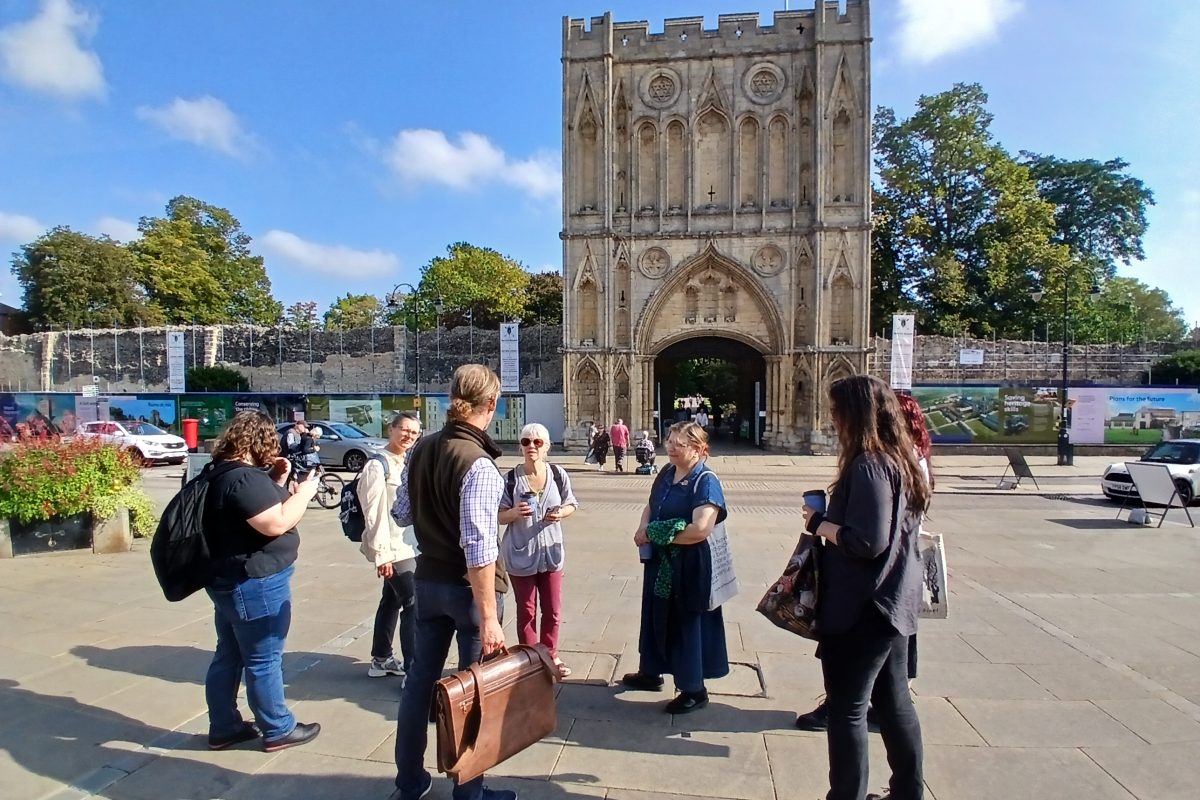
At the heart of our study day in Bury St Edmunds was the question of how religious histories can best be approached by heritage organisations in the 21st century.
On this study day we explored the exhibition St Edmund and the Great Heathen Army at Moyse’s Hall Museum before heading over to the ruins of the Abbey of St Edmund and hearing about plans for the Abbey Reborn project.
Dan Clark of Moyse’s Hall Museum gave us a tour of the exhibition, and even treated us to up-close looks at a couple of objects out of their cases.
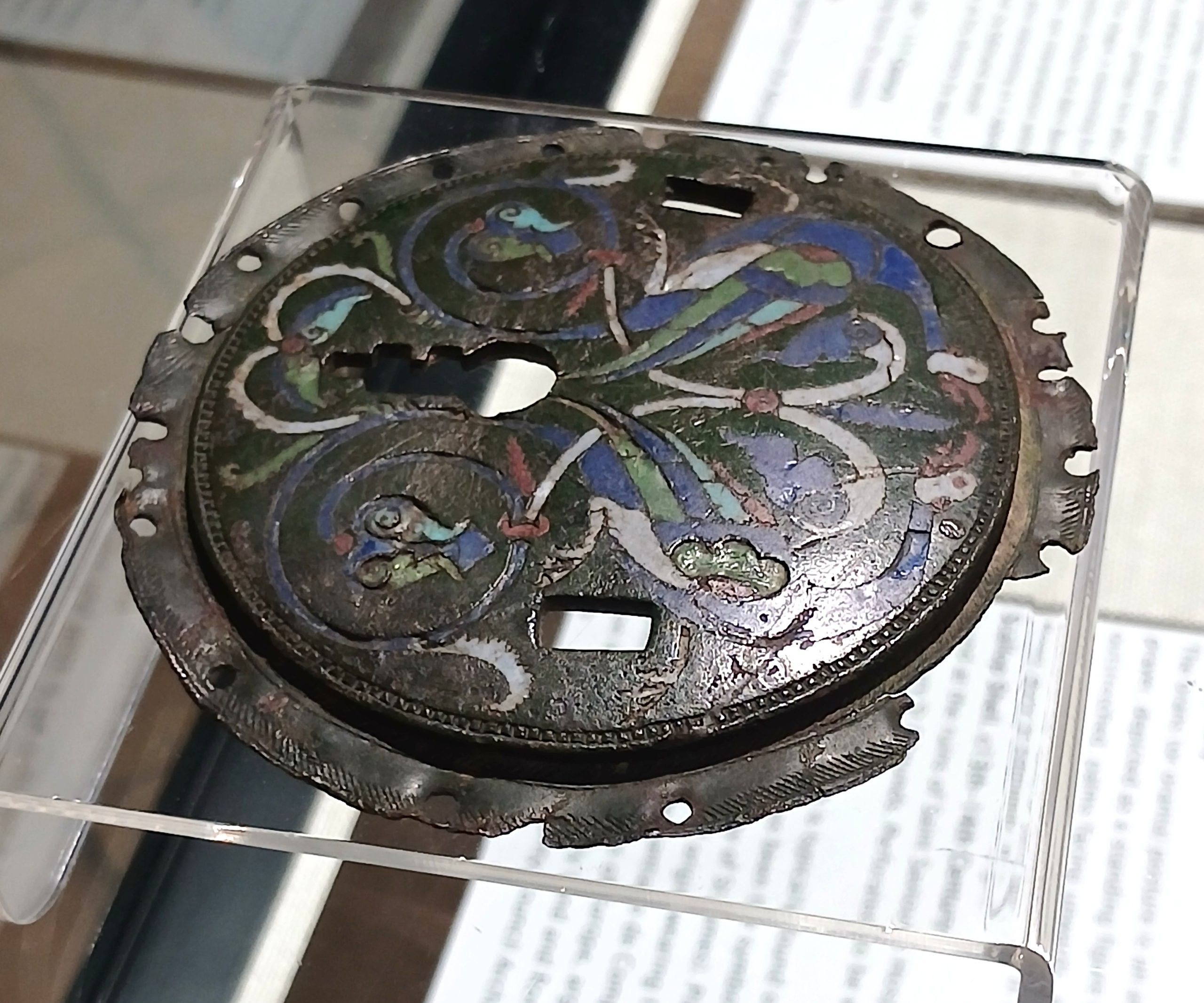
The exhibition tells the story of Edmund, the last King of East Anglia who was killed by Vikings in c.869. Within a few decades a cult acclaiming him as a saint had begun to take root. His body was later moved to a shrine in Beodricsworth, the town which would go on to become Bury St Edmunds. The Abbey of St Edmund grew and grew, becoming one of the largest, wealthiest, and most powerful medieval monasteries.
Stories about Edmund working miracles were first written down by the monk Abbo of Fleury in 985 (some 120 years after Edmund’s death). Several further works on Edmund and his miracles were written over subsequent centuries. Pilgrims travelled from far and wide to be close to the physical remains of St Edmund in his shrine. All this came to an end when the Abbey was closed in 1539 as part of Henry VIII’s Dissolution of the Monasteries.
A key challenge for telling the story of Edmund today is that for some visitors he is an ordinary human being, while for others he is a sacred figure.
The approach that Moyse’s Hall has taken to this is to clearly acknowledge that Edmund will mean different things to different people. One interpretation panel explains:
‘At the heart of the legend is a story that has inspired people from the late 9th C to today. We will touch upon the suggested ‘evolution’ of Edmund’s legend but in no way do we wish to diminish our beloved Saint for those on spiritual pilgrimage to the display…
While we know Edmund existed as King of East Anglia, his miraculous posthumous actions may be real or imagined to you. But what cannot be questioned is that his tales stirred real emotion. These stories remain his historic power today.’
The exhibition includes religious relics, which some visitors consider to be sacred. As part of the development of the exhibition, museum staff have developed relationships with local churches and Catholic historians to ensure a sensitive approach to these objects. Tailored tours have also been an important part of the exhibition, allowing staff to focus on different aspects of the exhibition for different groups.
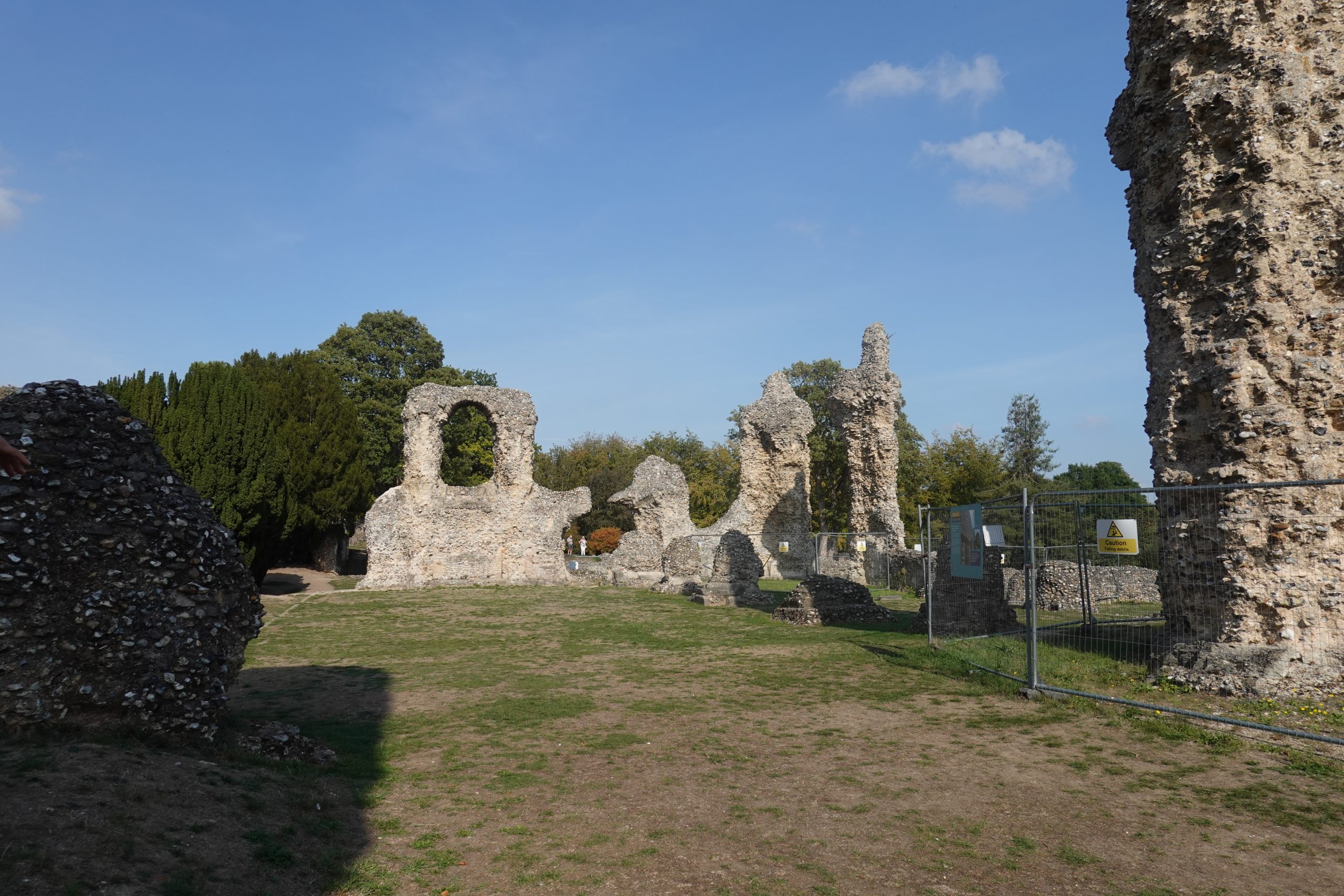
We then headed over to the Abbey Gardens and ruins of the medieval Abbey of St Edmund.
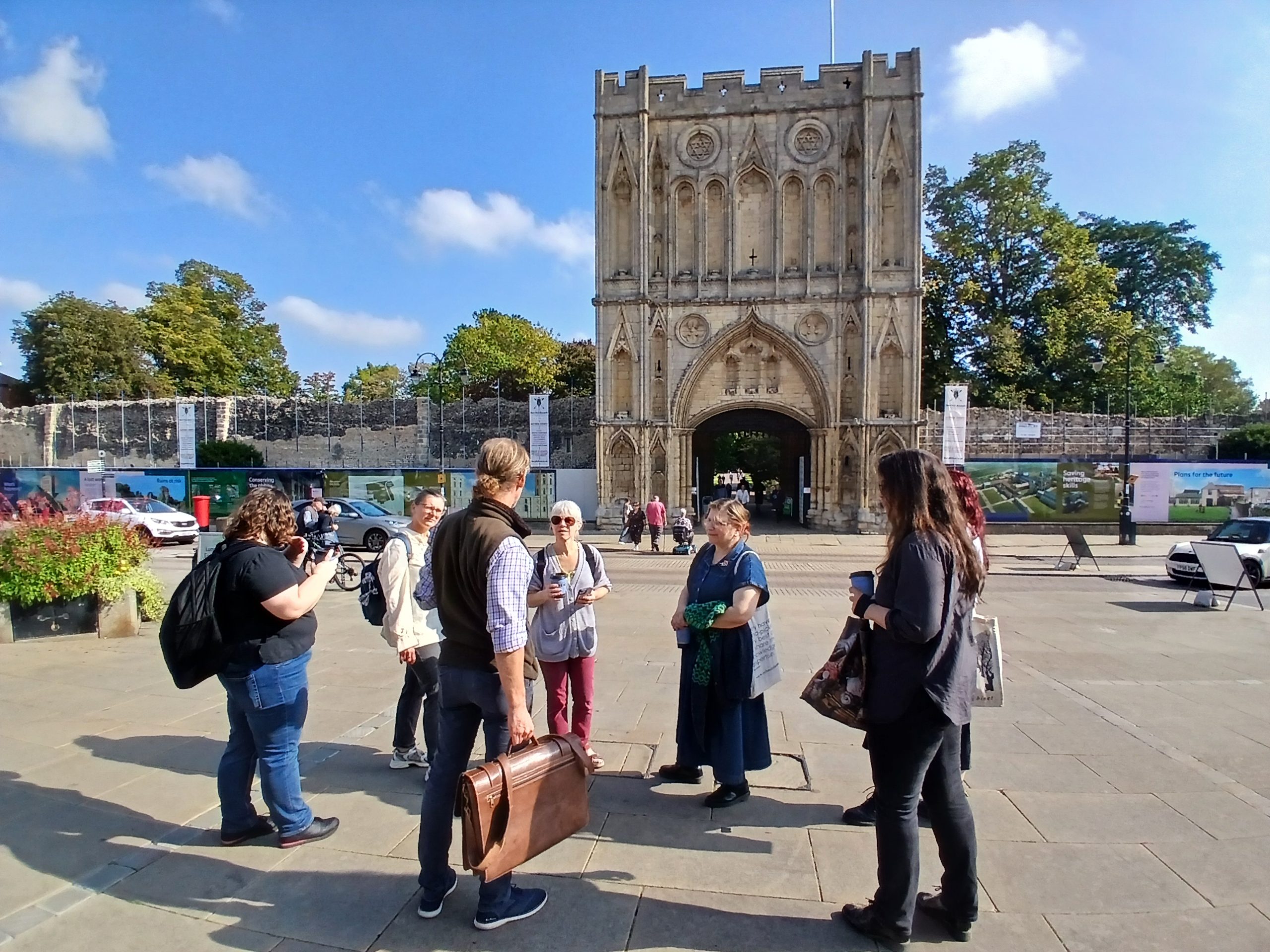
The Abbey ruins are substantial, but a mere fragment of the buildings which once stood on this site. They are also at risk of crumbling further, with many of the taller structures currently surrounded by fencing for safety.
The Abbey of St Edmund, Reborn project is being delivered by the Abbey of St Edmund Heritage Partnership. This is led by St Edmundsbury Cathedral, West Suffolk Council, and English Heritage, the three organisations responsible for the different parts of what was once the abbey site. The project aims to stitch the site back together for this first time since the Abbey was dissolved in 1539.
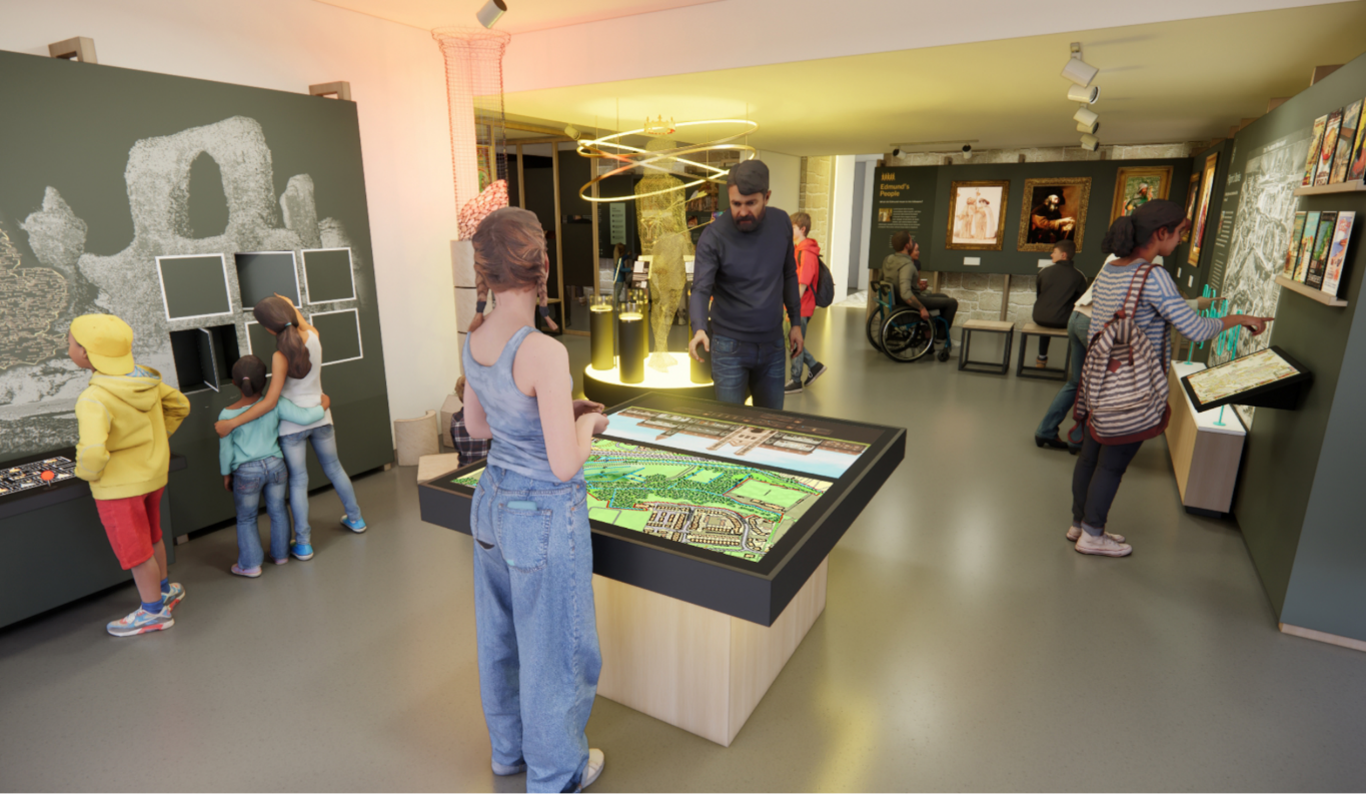
The project has been in development since 2016. It includes conservation work on the ruins, improved accessibility across the site, biodiversity improvements, and a new visitor centre, including an interpretation space.
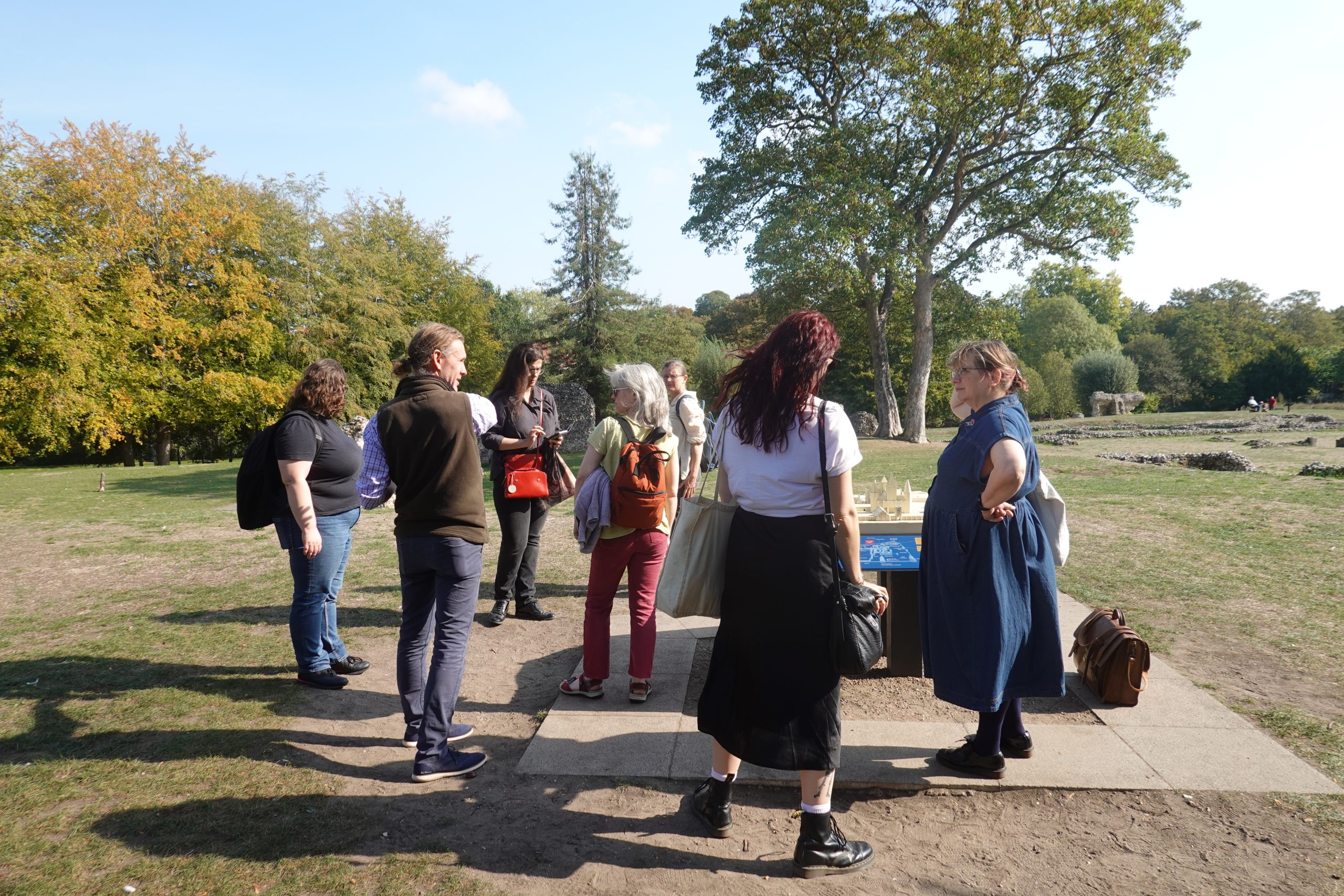
Finally, we heard from Hannah Salisbury, one of the Interpretation Consultants for the Abbey Reborn project. She talked us through the interpretation plans developed so far for the interpretation space and orientation space in the visitor centre, as well as panels, trails, and more throughout the wider site.
This was a great opportunity to visit Bury St Edmunds before the Abbey Reborn improvement works are undertaken over the next few years; hopefully we can visit again when they are complete and see the positive difference we are sure they will make.