SEMF
SEMF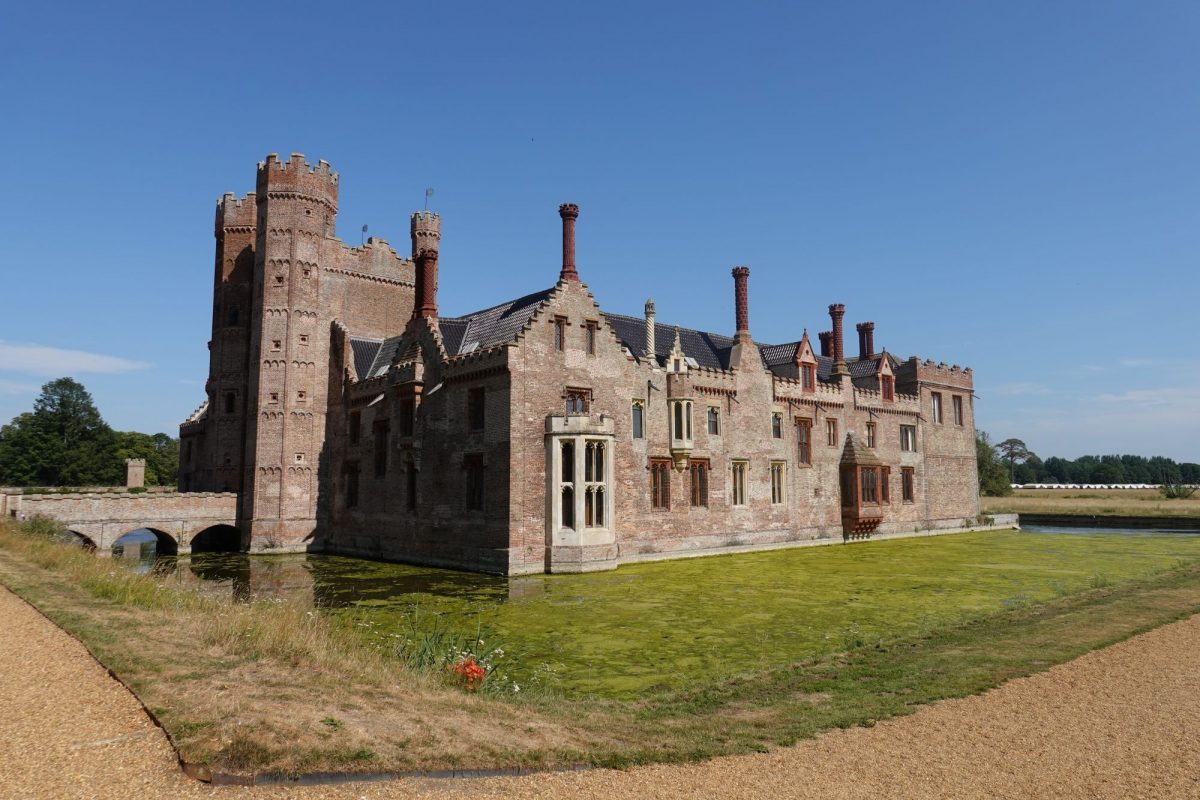
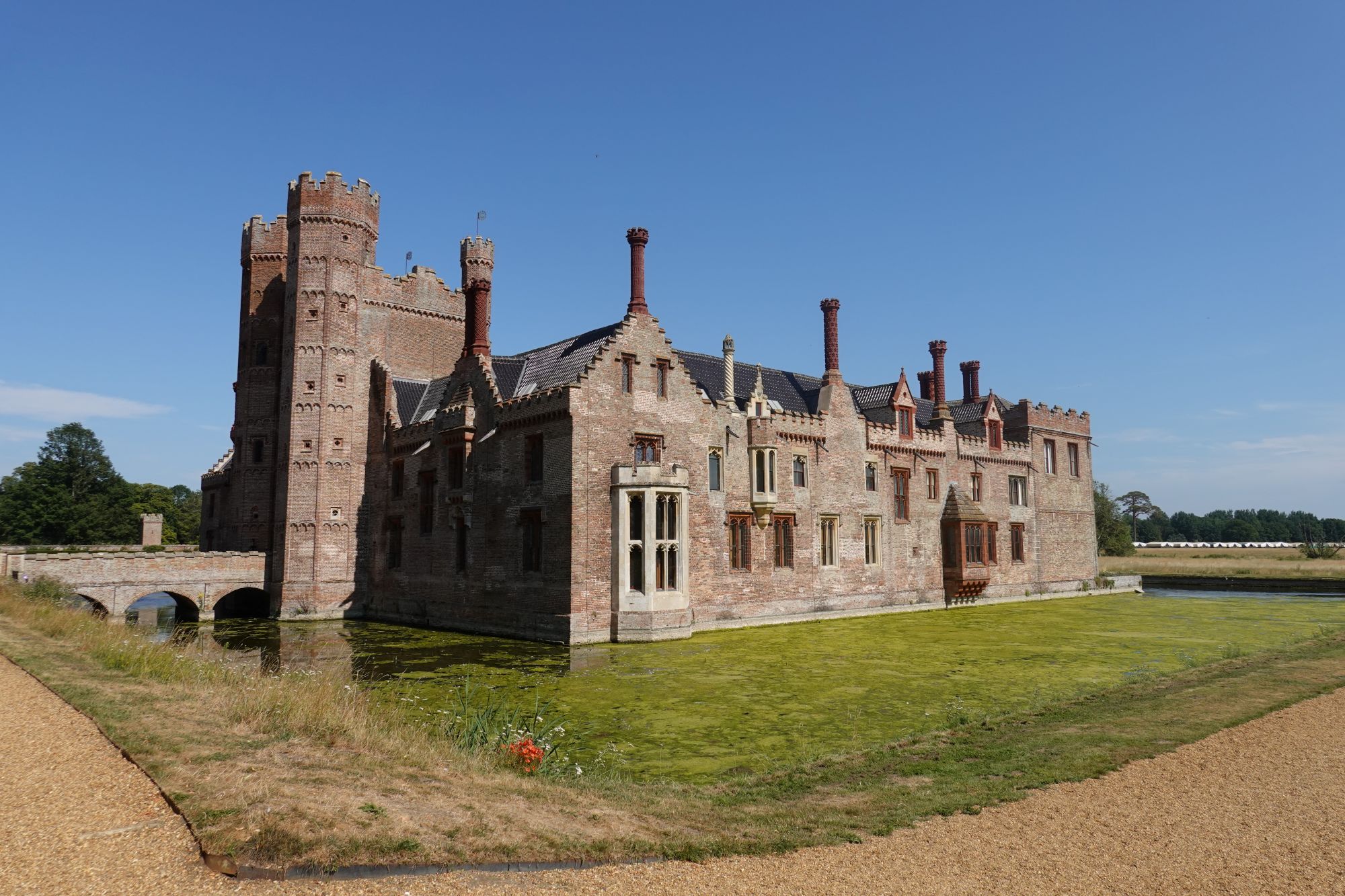
For our summer 2026 visit and AGM we were kindly hosted by the National Trust’s Oxburgh Estate in West Norfolk, which includes a medieval moated house, gardens, and wider estate. Find more details on the Oxburgh website.
Built in 1482, Oxburgh is one of the oldest houses in the care of the National Trust. About 110,000 people visit the estate each year, with about 80% of those going through the house.
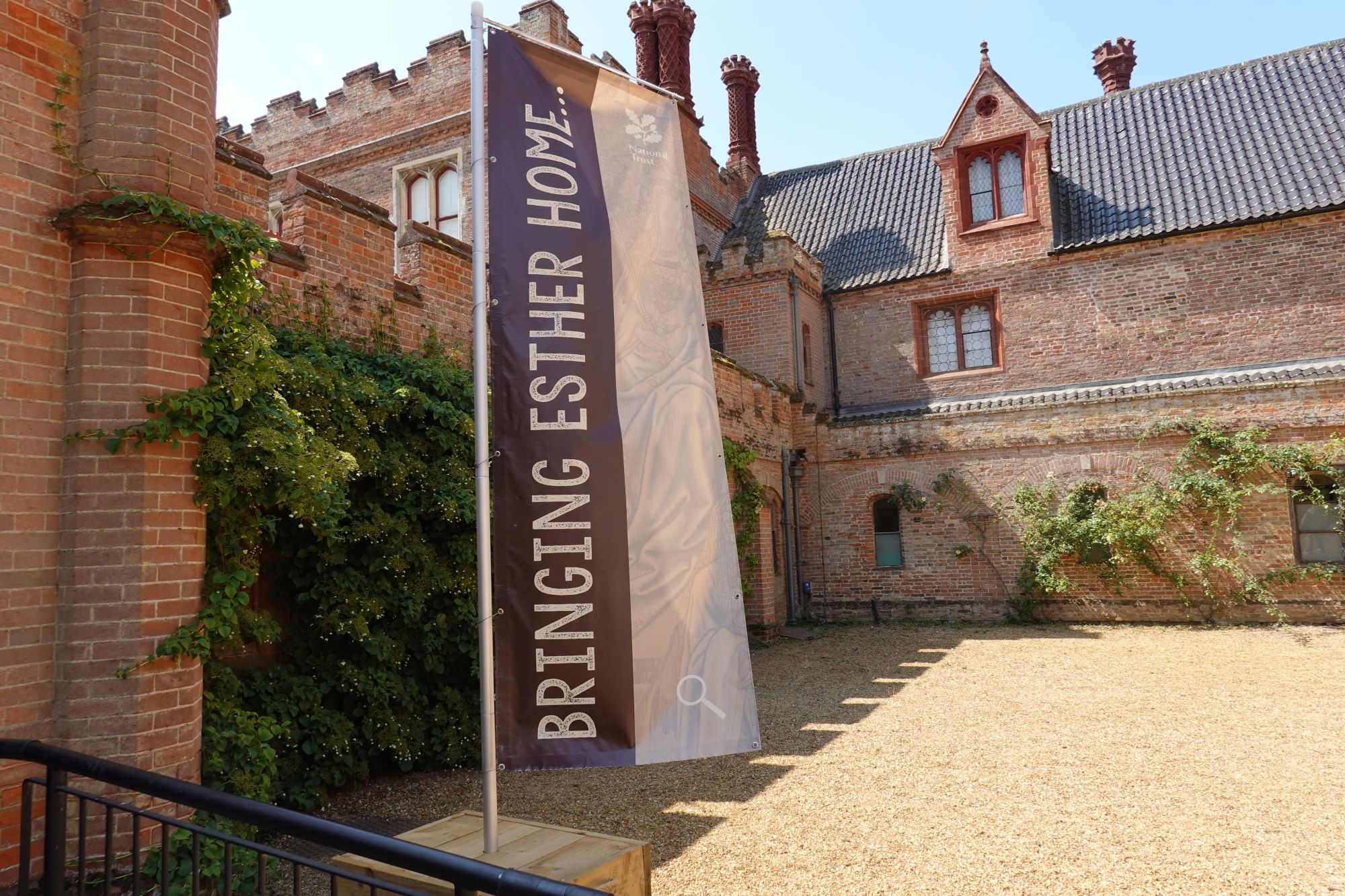
Oxburgh currently have two exciting temporary exhibitions which we were able to see as part of our visit.
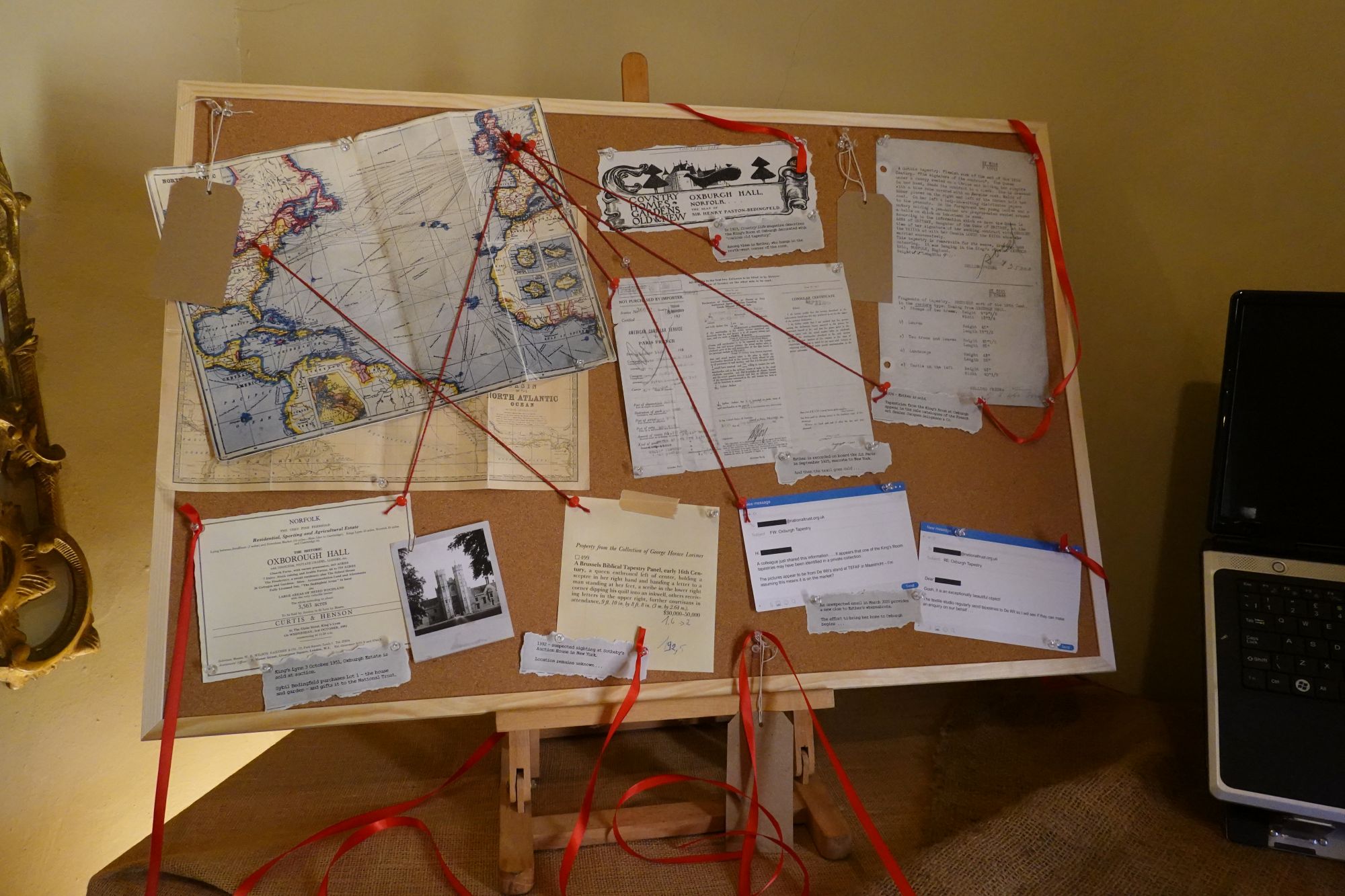
The first, Bringing Esther Home, centres on a long-lost 16th-centry tapestry. This tapestry was one of seven known to have been at Oxburgh Hall for hundreds of years until 1924 when they were all sold and went to America. One of these tapestries came up for sale in The Netherlands last year and a member of the National Trust staff was alerted.
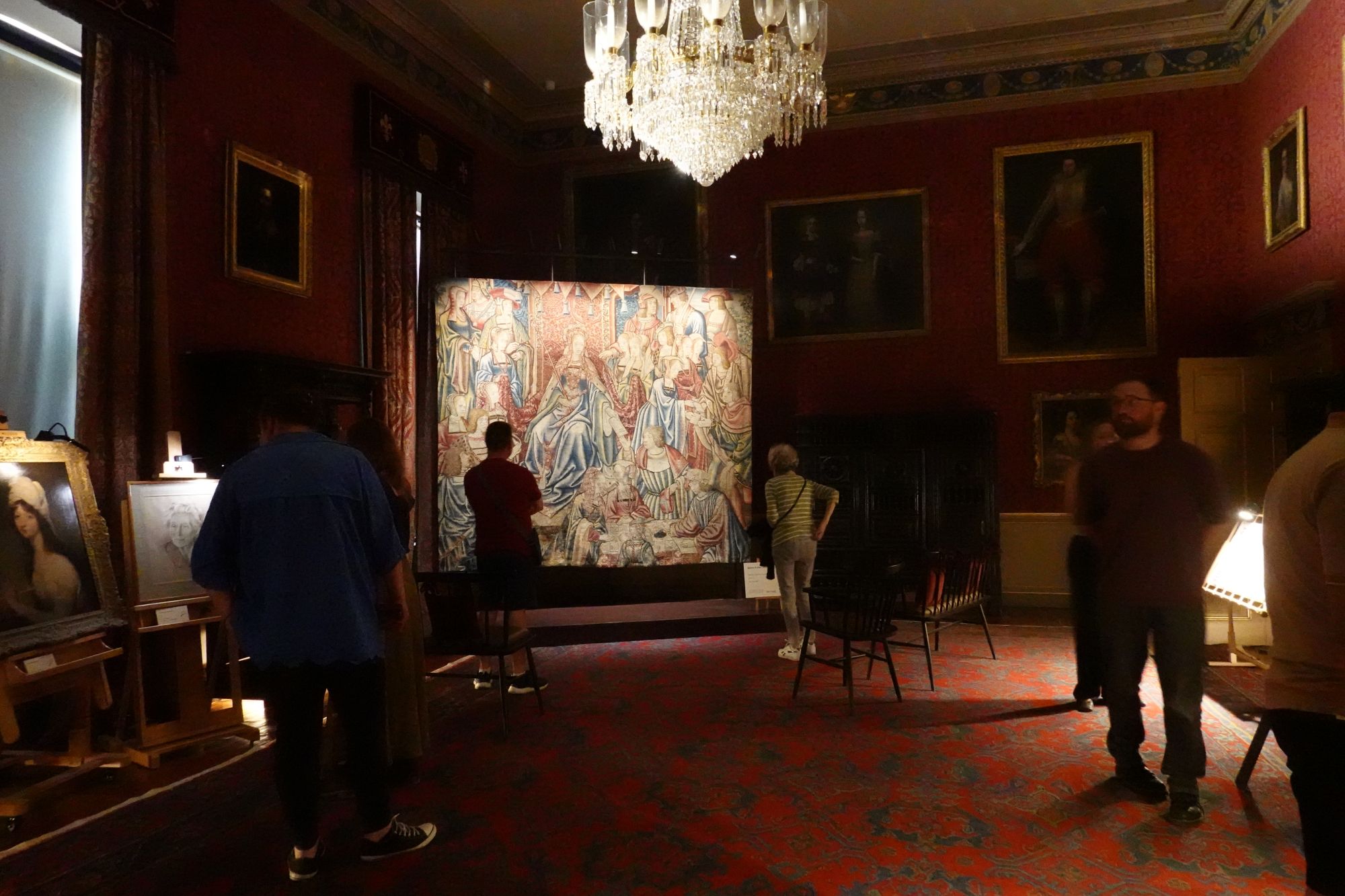
A fast paced race to purchase the tapestry ensued and the tapestry, which shows the biblical heroine Queen Ester, returned to Oxburgh in November 2025.
The tapestry is currently on display in the ground floor saloon. Interpretation around it explains the story shown in the imagery, and how the tapestry was identified from photographs and sketches from when it previously hung at Oxburgh, and the ‘cold case’ detective style process of bringing her home.
The team are using this opportunity to test out how the accessible saloon space can be best used for developing core exhibitions and to display ‘hero’ objects, with ongoing evaluation of how visitors respond to the display.
The second temporary exhibition we saw was Regency Romance, which has evolved from an opportunity to conserve a pair of portraits. This exhibition is threaded through three of the show rooms, with a light-touch layering on top of foundational interpretation in those spaces.
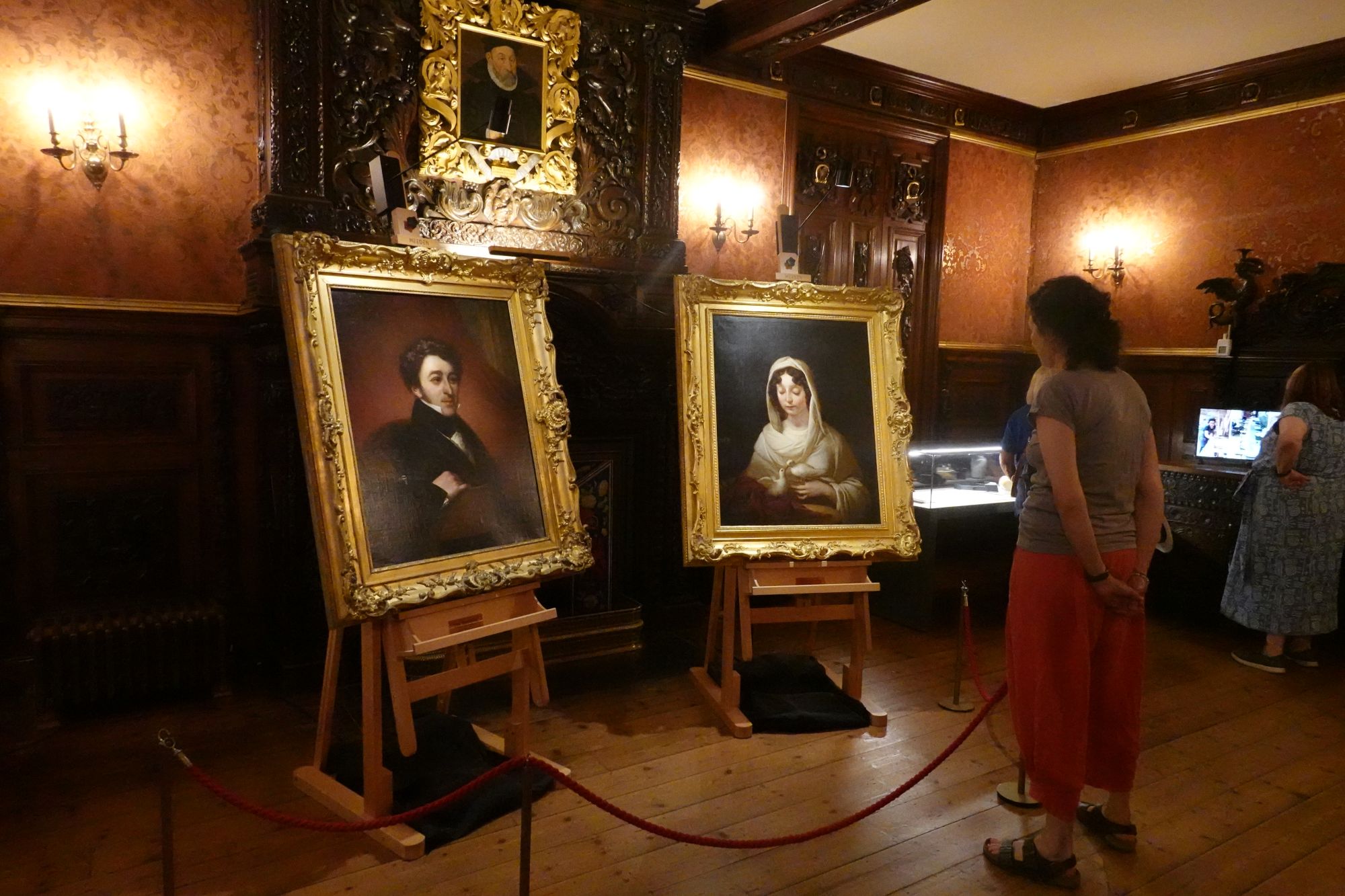
The portraits at the centre of the exhibition are of Agnes Bedingfield and her husband Thomas Molyneux-Seel, who married in 1823. Thomas’s portrait had remained in its frame and on display in the house, but at some point in time Agnes’s had been taken down, unframed, and suffered damage.
A funding grant from the Royal Oak Foundation has enabled conservation and a new frame for Agnes’s portrait, and she is now back on display with Thomas.
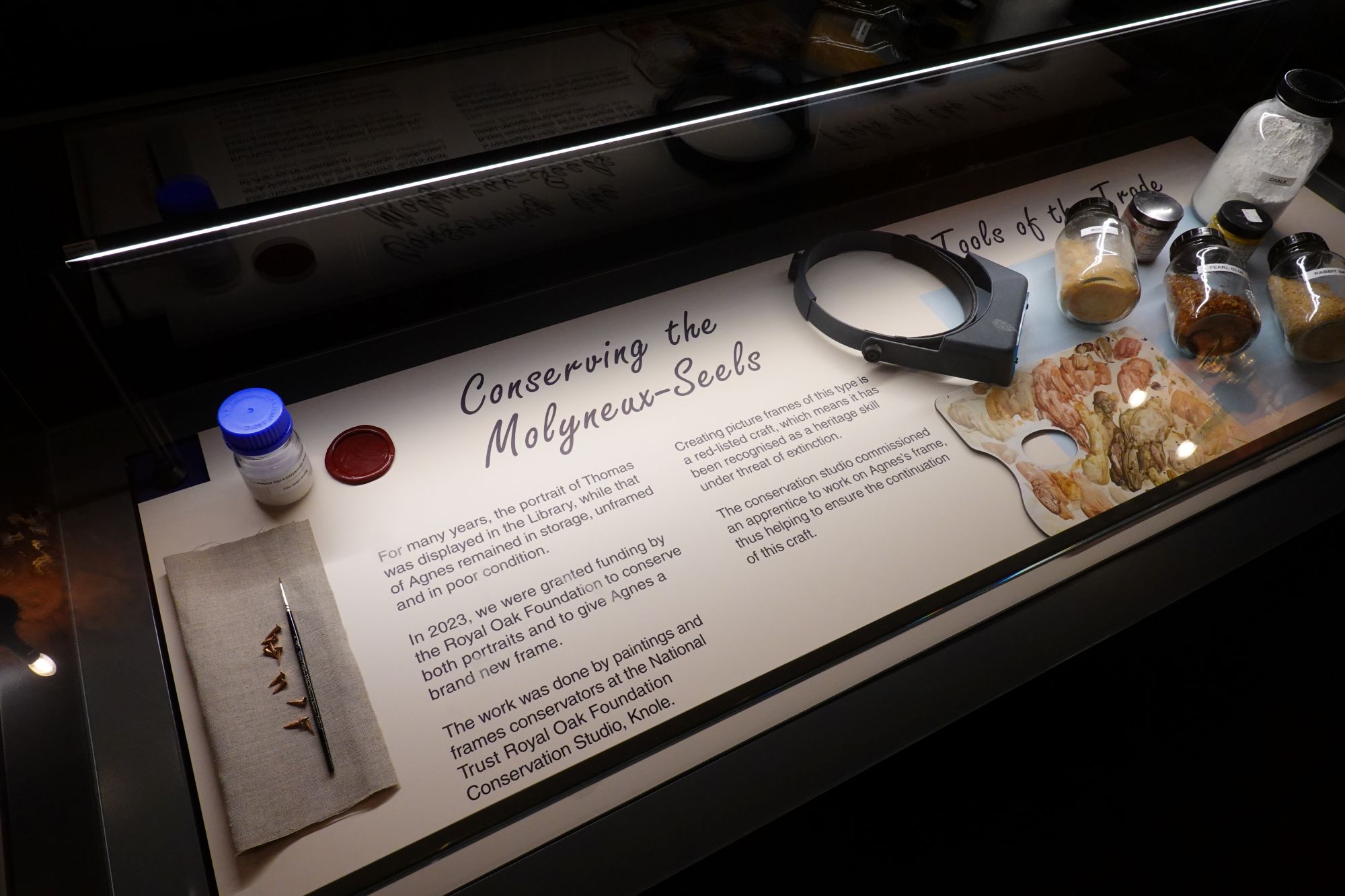
The team used the portraits as the catalyst to research the story of the couple’s courtship, marriage, and year-long honeymoon and the storytelling to be the core thread for the exhibition. After delving into their lives visitors are then faced with the couple’s portraits, before being asked how they think their marriage went on after the honeymoon. The exhibition also includes interpretation on how the new frame for Agnes’s portrait was built from scratch, and how the portraits have been conserved.
This exhibition includes new styles of interpretation to the house including projections and sound, which the team are testing and evaluating with support from the Audience Agency. Findings so far include increased dwell time in the spaces, and increased engagement with room hosts.
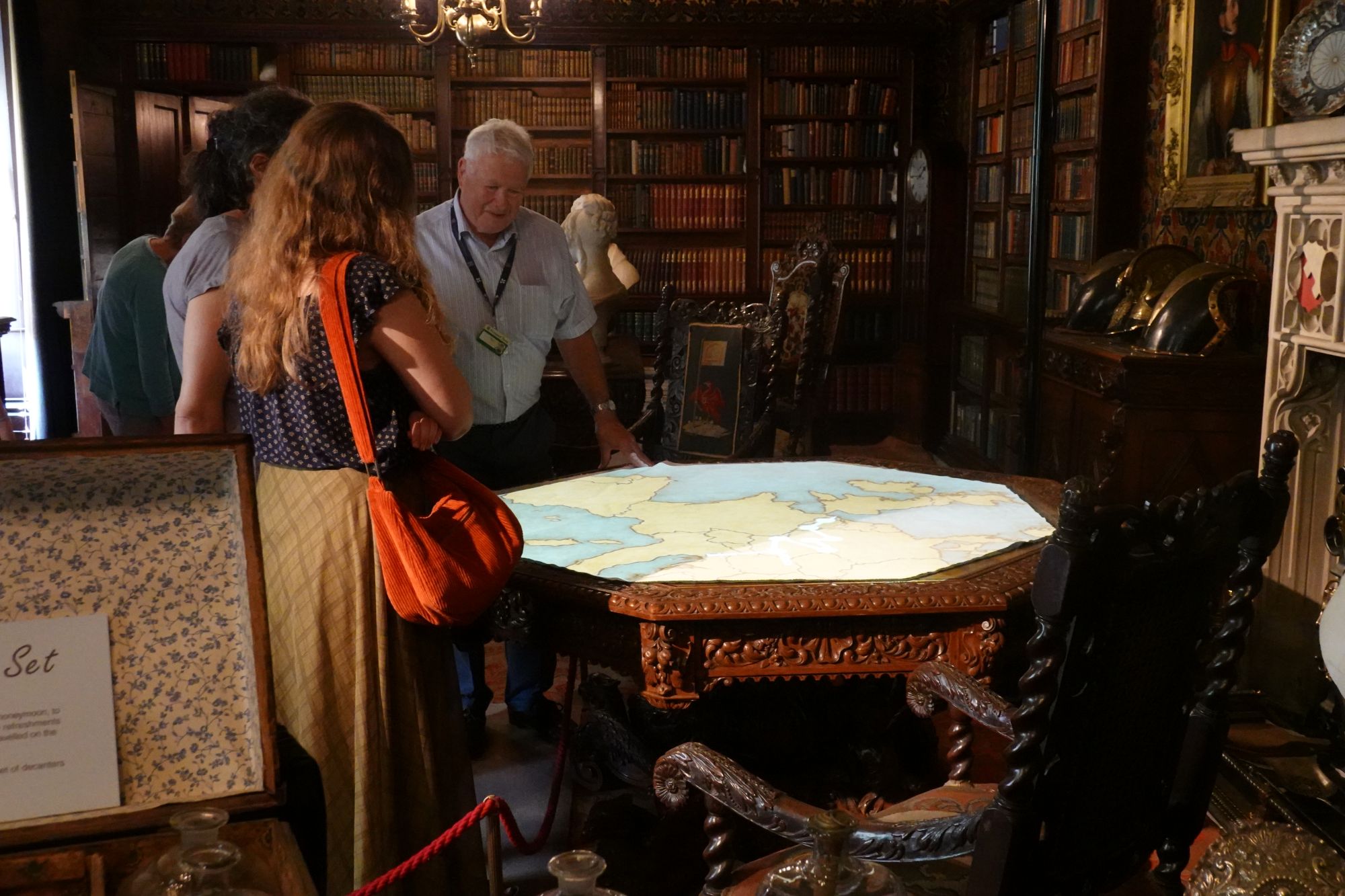
The team also told us about the work they have been doing over the last few years to develop Experience Design and Re-presentation at Oxburgh.
The National Trust’s Experience Design approach aims to build a strategy for properties with the visitor at the heart of it, taking a holistic view of everything from visitor infrastructure to storytelling. It is a collaborative process, identifying areas for investment and considering ways to use assets as effectively as possible.
The Re-presentation plan at Oxburgh has been an opportunity to take a look at interpretation across the site. The key challenges discussed as part of the process are limited opening to parts of the house, that some of those spaces are not fully accessible, and that there are limited opportunities to display key collections, as well as the route from the car park for visitors. Over the coming years the team will be working on ways to open more spaces, and/or use spaces differently, and work creatively to respond to audience needs and feedback (such as the popular Preist’s Hole which many visitors recall climbing into!). It will be really interesting to go back in a few years’ time and see how things have changed.
Thank you very much to Shona, Ed, Ilana and Tabitha for hosting us, it was great to learn more about Oxburgh and have a peek behind-the-scenes.